
AI Artists Are Flooding Music Platforms, but Are Listeners Still Choosing Human Emotion?
AI-generated acts are attracting millions of streams and reshaping the music business, but questions over audience demand, authenticity, fraud and artists' rights remain unresolved.
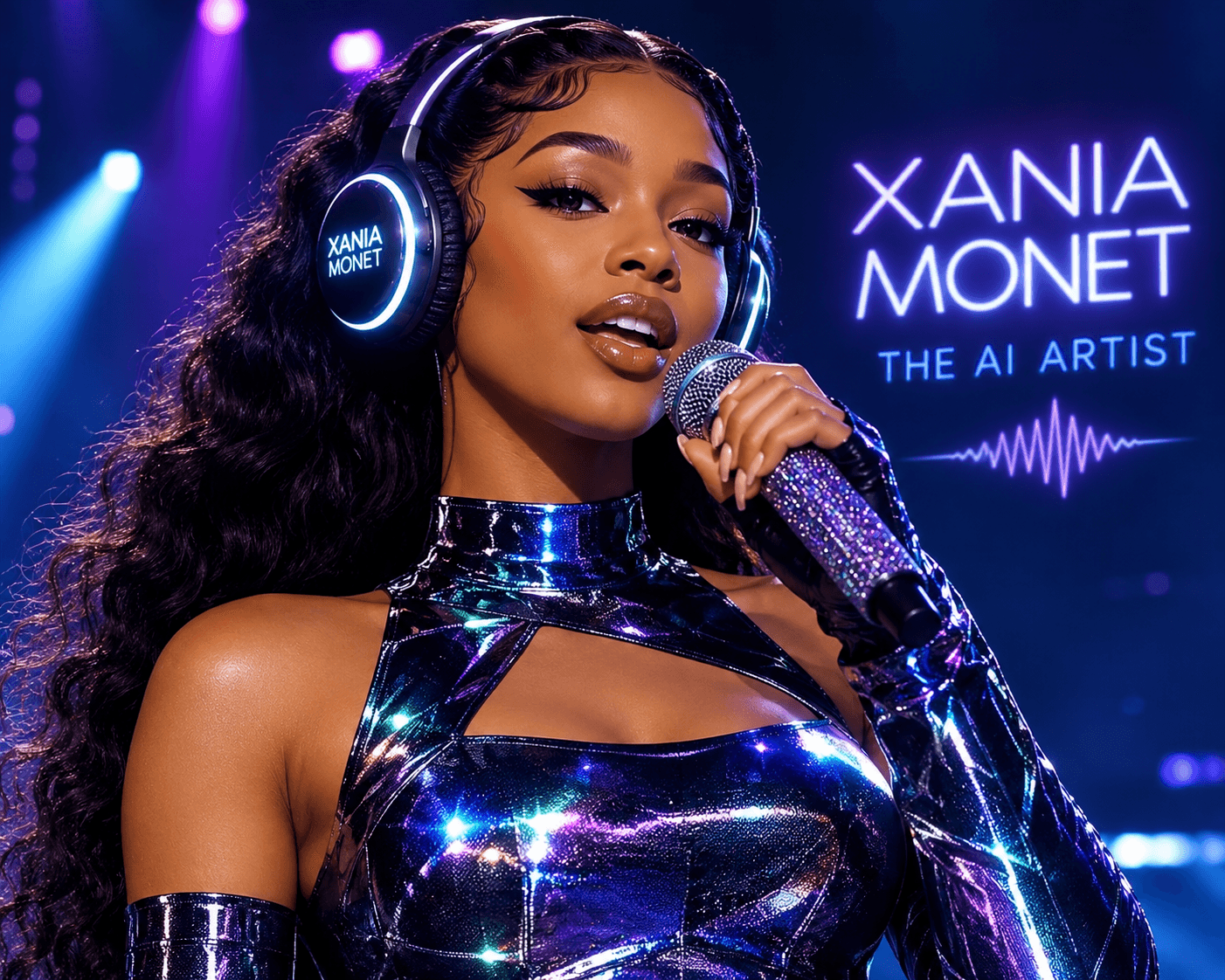
AI-generated music is moving from the fringes of the music industry into mainstream charts and streaming platforms. Digital artists are attracting millions of listeners, while artificial intelligence tools are making it possible to produce songs without traditional singers, songwriters or musicians.
But behind the growing visibility of AI music is a striking contrast: the number of AI-generated tracks being uploaded is rising rapidly, yet their share of actual listening remains relatively small.
The development raises an important question for the music industry: as technology makes music production easier and cheaper, will audiences continue to value the human creativity and emotional experiences that have traditionally defined music?
What Is AI Music?
Artificial intelligence refers to computer systems designed to perform tasks that normally require human intelligence, including learning patterns, processing information and generating responses.
In music, generative AI can create melodies, instrumentals, lyrics and vocals from written prompts or other instructions. Some tools can also imitate particular musical styles or generate voices that sound remarkably human.
However, there is an important distinction between AI-assisted and fully AI-generated music. Human artists increasingly use AI tools during production, but fully AI-generated recordings can be created with little or no direct human performance.
This distinction is becoming central to debates about authenticity, copyright and the future of the music business.
AI Artists Are Finding Their Audience
AI-generated music is no longer confined to experimental projects or novelty songs. Several virtual acts have attracted significant attention and achieved notable streaming and chart milestones.
Xania Monet, an AI-generated R&B and gospel artist, became the first AI-voiced act to appear on a Billboard airplay chart. Industry tracking figures also put her United States streams at more than 117 million by February 2026.
Breaking Rust, a virtual country music act, made headlines when its song 'Walk My Walk' topped Billboard's Country Digital Song Sales chart in November 2025, becoming the first fully AI-generated song to achieve that position.
Other acts, including Enlly Blue and The Velvet Sundown, have also attracted substantial streaming audiences. The Second Voice, an Amapiano project associated with AI-generated vocals, reportedly had more than two million monthly Spotify listeners in late October 2026, although the extent of its AI involvement has been disputed.
These developments demonstrate that listeners can connect with music even when the performer is not a traditional human artist. A catchy melody, convincing vocals and effective promotion can attract an audience regardless of how a recording was produced.
More Uploads, But Not More Listening
The scale of AI music production is perhaps its most striking feature.
Deezer reported in July 2026 that it was receiving approximately 90,000 fully AI-generated tracks daily, representing more than half of all new music delivered to the platform on peak days.
Yet these recordings accounted for only between 1 and 3 per cent of total streams on Deezer. The company also found that up to 85 per cent of streams generated by fully AI-created tracks in 2025 were fraudulent and subsequently excluded from royalty payments.
The figures reveal a significant difference between the volume of AI music entering streaming platforms and the amount people actually listen to.
AI tools have made it easier to produce and distribute music at an unprecedented rate. However, uploading a song does not automatically translate into genuine audience interest.
This is where the debate about human creativity becomes more complicated. AI-generated songs are attracting real listeners, but the available streaming figures do not suggest that they have displaced human-made music on a comparable scale.
Do Listeners Still Want Human Connection?
Music has always been more than an arrangement of sounds. For many people, it is connected to memories, personal experiences, cultural identity and the emotions of the people who create it.
A song can become meaningful because of the story behind its lyrics, the circumstances surrounding its release or the experiences an artist shares with an audience.
AI can reproduce musical patterns and generate lyrics that appear emotional. However, the question of whether a machine can genuinely experience the emotions it expresses remains unresolved.
Some listeners may not care about the identity of the performer if the music sounds good. Others may want to know whether the voice they are hearing belongs to a real person, particularly when an artificial identity is presented as though it were human.
A Deezer-Ipsos survey published in November 2026 offers an indication of this concern. Eighty per cent of respondents said fully AI-generated and AI-assisted music should be clearly labelled. Meanwhile, 60 per cent believed fully AI-generated songs should not compete in major charts alongside human-made recordings.
These findings do not establish that listeners are abandoning AI music or paying more for human performances. They do, however, show that transparency and the distinction between human and artificial creativity matter to a substantial number of music consumers.
How Streaming Platforms Are Responding
Music platforms are beginning to introduce policies aimed at addressing the growth of AI-generated content.
Spotify has introduced AI Persona badges to identify artists whose public identities are represented by photorealistic AI-generated people. However, the badge does not automatically mean the music itself was created using AI. Spotify also excludes music from identified AI Personas from editorial and personalised recommendations unless listeners deliberately engage with those artists.
Deezer takes a different approach by detecting and tagging fully AI-generated recordings. It also excludes detected tracks from algorithmic recommendations and editorial playlists, while removing fraudulent streams from royalty calculations.
Tidal has announced that it will reject and remove wholly AI-generated tracks submitted to the platform from December 9, 2026. Australia has also introduced rules excluding wholly AI-generated recordings from its official ARIA charts, while allowing AI-assisted music that remains substantially human-made.
The different approaches reflect an industry still trying to establish where technological assistance ends and artificial replacement begins.
The Legal and Creative Battle
Beyond questions of authenticity, AI music has created a major dispute over copyright and ownership.
Record labels and musicians are concerned that AI companies may use copyrighted recordings to train their systems without permission or appropriate compensation. There are also concerns about artificial voices that imitate established performers without their consent.
Universal Music Group, Sony Music Entertainment and Warner Music Group previously brought copyright lawsuits against AI music companies Suno and Udio over the alleged unauthorised use of recordings to train their systems.
The legal landscape has since become more complicated, with licensing agreements and settlements emerging alongside continuing disputes. In June 2026, the American Federation of Musicians also sued Universal and Warner, alleging that the labels' AI licensing arrangements involving musicians' recordings violated labour agreements.
At the centre of these disputes is a fundamental question: who owns the rights to music created by artificial intelligence, particularly when the technology has been trained on the work of human musicians?
The answer could determine how artists are compensated, how AI companies develop their products and how the music industry protects creative ownership.
The Future of Music
AI is unlikely to disappear from music production. Its ability to generate sounds, assist musicians and simplify production will continue to attract artists, producers and businesses.
But the growing popularity of AI-generated music does not necessarily mean audiences are ready to abandon human performers. The relatively small share of streams attributed to fully AI-generated tracks on Deezer, alongside public demand for clearer labelling, suggests that the relationship between music and its human creators remains important.
The challenge for the industry is not simply to stop technological progress. It is to ensure that innovation does not undermine the rights, livelihoods and creative contributions of the people whose work made modern music possible.
AI may be able to create a song that sounds emotional. Whether that is enough to replace the human experience behind music is a different question.
Read our editorial standards and corrections policy.