
Guangxi Floods Health and Safety: Essential Guide as Waters Recede
As floodwaters recede across south China following Typhoon Maysak, local CDC teams issue a critical Guangxi floods health and safety guide to prevent a secondary epidemic.
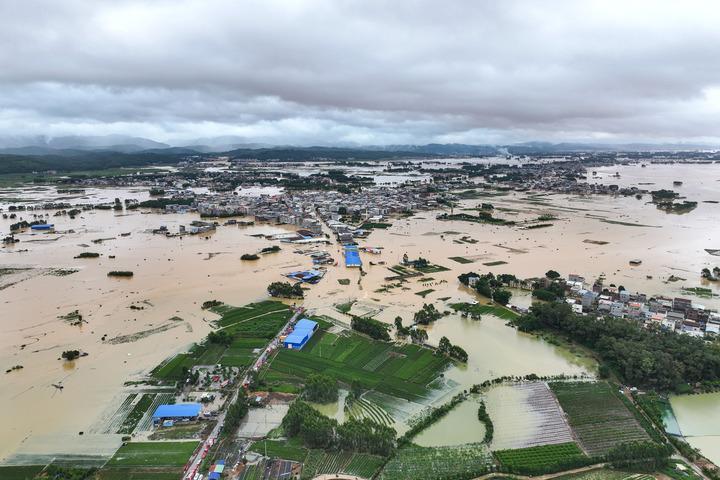
The devastating impact of Typhoon Maysak has left a severe trail of destruction across south China, but health authorities warn that the most insidious threat is yet to come. In the wake of historic downpours that triggered dam breaches, left 39 dead, and displaced tens of thousands across the region, a comprehensive Guangxi floods health and safety directive has been activated. With temperatures climbing and stagnant waters receding, the Guangxi Center for Disease Control and Prevention (CDC) has deployed hundreds of specialized teams to stave off a secondary public health crisis driven by contaminated water, spoiled food, and vector-borne pathogens.
"The immediate physical rescue phase is winding down, but we are now entering a highly dangerous period," cautioned Zeng Yuanyi, deputy director of the Nanning health commission. As over 4,200 sanitation workers begin clearing thick silt and debris, the regional CDC has identified five high-risk disease vectors that require absolute vigilance from returning residents.
The 5 High-Risk Disease Threats Post-Flood
When floodwaters sweep through industrial and agricultural zones, they carry an aggressive mixture of untreated sewage, pesticides, and animal waste. The shifting environment creates perfect breeding grounds for infectious outbreaks. Health officials have categorized the primary threats into a structured risk profile:
1. Intestinal Infections
Pathogens like norovirus, cholera, hepatitis A, and bacillary dysentery thrive in compromised water networks. Contaminated drinking water or poorly washed utensils are the quickest transmission vectors during post-flood cleanup.
2. Lethal Food-borne Illnesses
Summer heat accelerates the spoilage of food left in flooded, unpowered buildings. A unique and lethal threat highlighted by the CDC involves wet noodles, rice noodles, and soaked fungus left overnight. These items can ferment and produce bongkrekic acid—a highly toxic compound that causes rapid organ failure, possesses no known medical antidote, and cannot be destroyed by boiling.
3. Water-Contact Diseases (Leptospirosis)
Wading through standing water without protection opens the body to leptospirosis—a bacterial disease spread via animal urine. The bacteria can penetrate even microscopic cuts in the skin. While early symptoms mimic standard influenza, unchecked cases can advance to severe kidney or liver impairment.
4. Vector-Borne Outbreaks
Receding waters leave thousands of isolated puddles across urban and rural landscapes. These stagnant pools serve as optimized breeding grounds for mosquitoes, spiked by seasonal summer heat, which exponentially drives up the localized risk of dengue fever and Japanese encephalitis.
5. Displaced Venomous Snakes
An unexpected hazard in cities like Hengzhou has been the migration of dangerous wildlife. Flooding has forced venomous snakes out of their natural riverbank habitats and into residential hallways, courtyards, and upper building levels.
Official Sanitation and Safety Protocols
To mitigate these active biological threats, health authorities have issued a series of mandatory hygiene directives for families and business operators returning to their properties.
The Post-Flood Hygiene Method
1.Establish clean water parameters:
Never drink tap water or well water without treatment. Only consume verified bottled water or water boiled rigorously for 1 to 3 minutes. Flooded private wells must be professionally disinfected and chemically tested before use.
2.Execute absolute food culling:
Throw away all food items that came into contact with floodwater—including sealed tin cans, as microscopic gaps can harbor bacteria. Absolutely do not salvage, cook, or sell dead livestock or aquatic animals recovered from the mud.
3.Sterilize cooking environments:
Before preparing any food, wash all plates, surfaces, and cooking utensils with clean water and soap. Submerge reusable dishes and silverware in boiling water for at least 15 minutes to guarantee thermal sterilization.
4.Utilize protective gear for clearing:
Never enter mud or standing water barefoot or in open shoes. Wear thick rubber boots and long waterproof gloves. Wash exposed skin with clean water and antibacterial soap immediately if contact occurs.
Red Flag Symptoms
Local clinics have established fast-track triage units. Residents must seek immediate medical care if they experience:
Diarrhea occurring more than three times a day or displaying blood.
A sudden high fever ($\ge 39^\circ\text{C}$) accompanied by severe joint pain or distinct skin rashes (indicative of dengue).
Severe fatigue and calf muscle tenderness following direct water exposure (indicative of leptospirosis).
While the regional emergency surveillance system indicates that the overall infectious disease landscape remains stable, the coming weeks will decide if the region avoids a post-disaster spike. Adhering to these strict Guangxi floods health and safety protocols remains the frontline defense for every household returning home.
Read our editorial standards and corrections policy.