
The Rising Cost of Streaming: What Higher Subscription Prices Mean for Nigerian Viewers
As streaming subscriptions become more expensive and platforms restructure their businesses, Nigerian viewers are reconsidering how much they spend on digital entertainment.
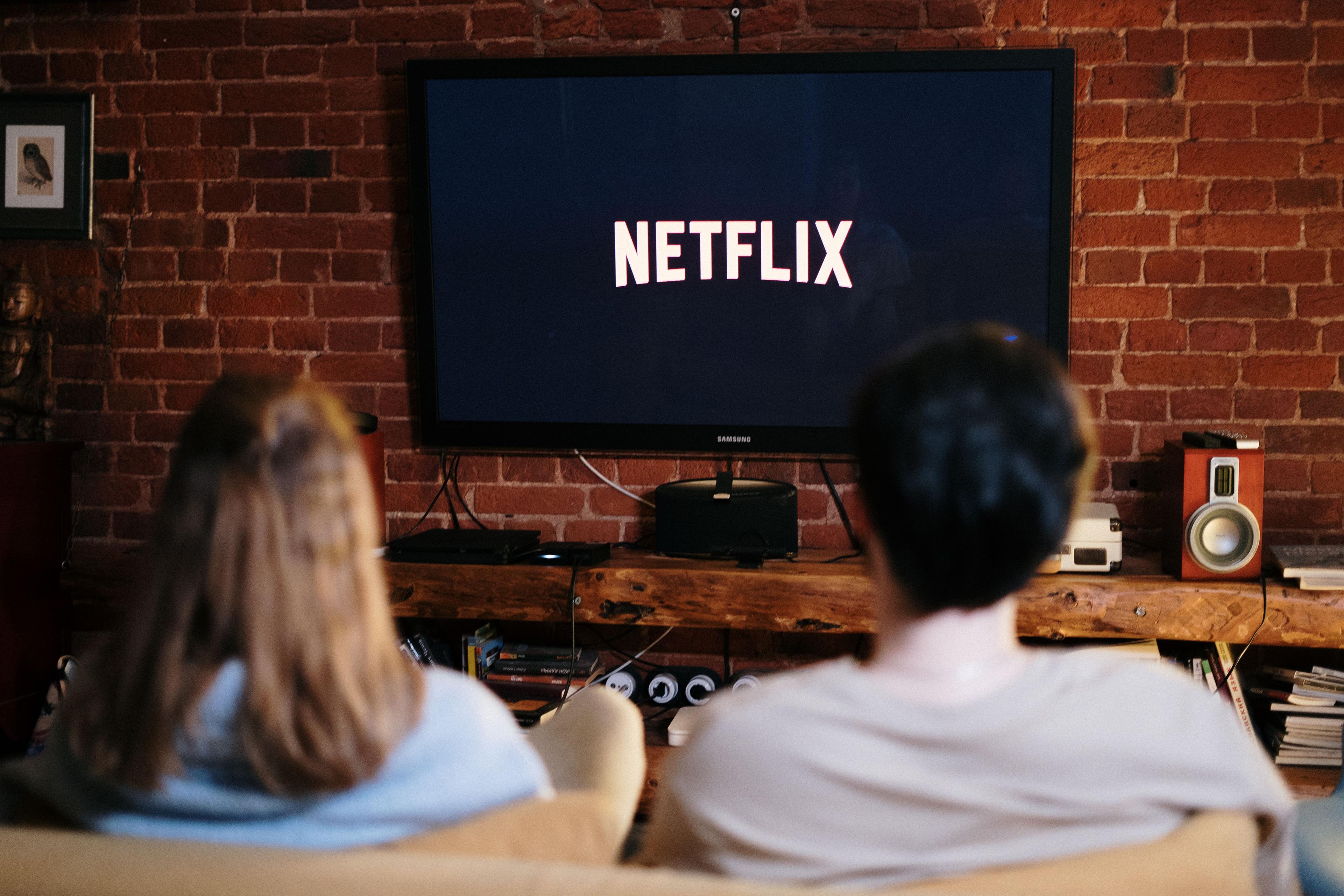
Entertainment has become an important part of everyday life. From watching films after a long day to following international television series and documentaries, millions of people now rely on digital streaming platforms for entertainment.
Services such as Netflix, Amazon Prime Video and DStv Stream have changed how audiences access films, television programmes and live entertainment. Viewers no longer have to depend entirely on traditional television schedules or physical media to enjoy their favourite content.
However, the convenience comes at a cost. Subscription price adjustments, internet expenses and changes in streaming services are making digital entertainment an increasingly important part of household spending.
For Nigerian viewers, the issue goes beyond paying more to watch a favourite television series. It raises broader questions about purchasing power, digital access and whether entertainment is gradually becoming a luxury rather than an affordable leisure activity.
Understanding the Rise in Streaming Prices
Streaming platforms generally operate through subscription-based business models. Rather than purchasing individual films or television programmes, users pay recurring fees to access libraries of content.
These companies incur expenses related to content production, licensing, technology, distribution and platform maintenance. As their operations expand and competition intensifies, subscription prices may be adjusted to support their business objectives.
Netflix provides a notable example in Nigeria. In June 2025, the company increased the prices of all four subscription plans for the third time since 2024.
The Mobile plan increased from ₦2,200 to ₦2,500 monthly, while the Basic plan rose from ₦3,500 to ₦4,000. The Standard plan moved from ₦5,500 to ₦6,500, and the Premium plan increased from ₦7,000 to ₦8,500.
These prices remain listed on Netflix's Nigerian website.
The adjustments illustrate how international streaming companies can make pricing decisions that directly affect consumers in individual markets.
Netflix has previously explained that its pricing decisions reflect investments in content and improvements to its service. Its pricing policy also recognises that local market conditions, including taxes and inflation, can influence subscription fees. However, it did not specifically identify Nigerian inflation or exchange-rate movements as the direct cause of the June 2025 increase.
The Nigerian Economic Factor
To understand why these increases matter, it is important to consider Nigeria's economic situation.
For several years, Nigerians have experienced rising living costs, currency fluctuations and changes in purchasing power. These developments affect how households distribute their income among essential and non-essential expenses.
According to the International Monetary Fund's 2026 assessment, Nigeria's inflation rate had declined for more than a year before rising slightly to 15.4 per cent year on year in March 2026, partly reflecting higher international fuel and food prices.
Although inflation has moderated from previous highs, the cost-of-living challenge remains relevant to consumer spending.
Foreign exchange movements also introduce another dimension. International streaming companies operate across different markets and may incur expenses in foreign currencies. Currency movements can therefore influence their operating costs and pricing decisions, although the extent varies between companies and their business models.
For Nigerian subscribers, the result is a growing need to evaluate entertainment expenses alongside other monthly financial commitments.
Furthermore, subscription fees are not the only cost involved in streaming. Internet data is also required to access these services. Watching films and television programmes in high definition or 4K can consume substantial amounts of data, making connectivity another recurring expense.
Consequently, viewers must consider both the cost of maintaining a subscription and the cost of having sufficient internet access to enjoy it.
How Price Increases Affect Nigerian Viewers
The consequences of rising subscription prices are not experienced equally by everyone.
For students and young people, entertainment subscriptions may compete with expenses such as transportation, educational materials, internet access and personal needs. A subscription that once appeared affordable may become difficult to justify when other financial responsibilities take priority.
Households that maintain multiple subscriptions may also reconsider their spending. Instead of paying for several platforms simultaneously, some consumers may choose to retain only one service or subscribe selectively when particular programmes become available.
There is also the question of shared entertainment. Families and groups of friends who previously enjoyed accessing different programmes through subscription services may find themselves reconsidering how much they are willing to spend.
Ultimately, higher subscription prices can influence not only how much people spend but also what they watch, how frequently they watch and which platforms they choose.
Changing Consumer Behaviour and the Streaming Industry
When the cost of a service increases, consumers naturally begin evaluating whether its benefits justify the expense.
In the streaming industry, this can encourage viewers to become more selective. Some may downgrade to cheaper subscription plans, while others may cancel subscriptions they no longer consider essential.
This places additional pressure on streaming companies to demonstrate the value of their services through relevant content, competitive pricing and a reliable viewing experience.
Interestingly, affordability is not the only challenge facing streaming platforms in Nigeria. Competition, content availability and the ability to retain subscribers are equally important.
The discontinuation of Showmax as a standalone streaming service on April 30, 2026, provides another example of the changing industry.
On March 5, 2026, MultiChoice announced that it would retire Showmax following a review of its streaming operations. The company attributed the decision to substantial annual losses and the need to improve financial sustainability in an increasingly competitive and expensive streaming market.
Showmax content has since been incorporated into DStv Stream, although not every title was transferred because of licensing agreements.
The development illustrates that operating a successful streaming platform requires more than attracting subscribers. Companies must also maintain sustainable business models while meeting audience expectations.
For Nigerian viewers, such changes can affect platform choices, content accessibility and the overall cost of accessing preferred entertainment.
What Does the Future Hold for Nigerian Viewers?
The future of streaming in Nigeria will depend on how effectively entertainment companies balance profitability with affordability.
Platforms that understand the financial realities of their audiences may have an advantage in retaining subscribers. Flexible subscription options, competitive pricing and relevant local content could become increasingly important.
There is also an opportunity for Nigerian filmmakers and content producers to strengthen the local entertainment industry. As audiences become more selective about where they spend their money, locally produced films and television programmes could play an important role in attracting and retaining viewers.
However, this opportunity requires sustained investment in quality production, distribution and digital infrastructure.
Streaming companies must recognise that a growing audience does not automatically translate into a financially sustainable subscriber base. Consumers must be able to afford the services being offered.
For viewers, managing entertainment expenses may increasingly involve choosing between platforms, monitoring subscription renewals and making better use of available plans. Some may also turn to free, advertising-supported services where available, although these may not offer the same content libraries or viewing experience.
Conclusion
The rising cost of streaming reflects a broader transformation in the digital entertainment industry. While these platforms have made international and local content more accessible, subscription expenses and internet costs are forcing consumers to reconsider how much they spend on entertainment.
For Nigerian viewers, the challenge is particularly significant because these expenses exist alongside other household and personal commitments.
Ultimately, the future of streaming in Nigeria will not be determined by the quality of content alone. Affordability, accessibility and the ability of companies to respond to local economic realities will also shape the industry's success.
Entertainment may be increasingly digital, but its accessibility should not become an exclusive privilege of those who can comfortably afford it.
Read our editorial standards and corrections policy.