
Funke Akindele and Mo Abudu Are Taking Nollywood to London. Is the City Becoming Its Next Big Market?
While Funke Akindele prepares for a major London premiere, Mo Abudu has opened a permanent cinema and cultural hub for African and Black films. Together, their moves point to Nollywood’s growing interest in international theatrical distribution and diaspora audiences.
Nollywood is looking beyond Nigeria for new audiences, commercial opportunities and ways to distribute its films. London is emerging as an important part of that ambition, with two prominent Nigerian entertainment figures pursuing different but complementary strategies.
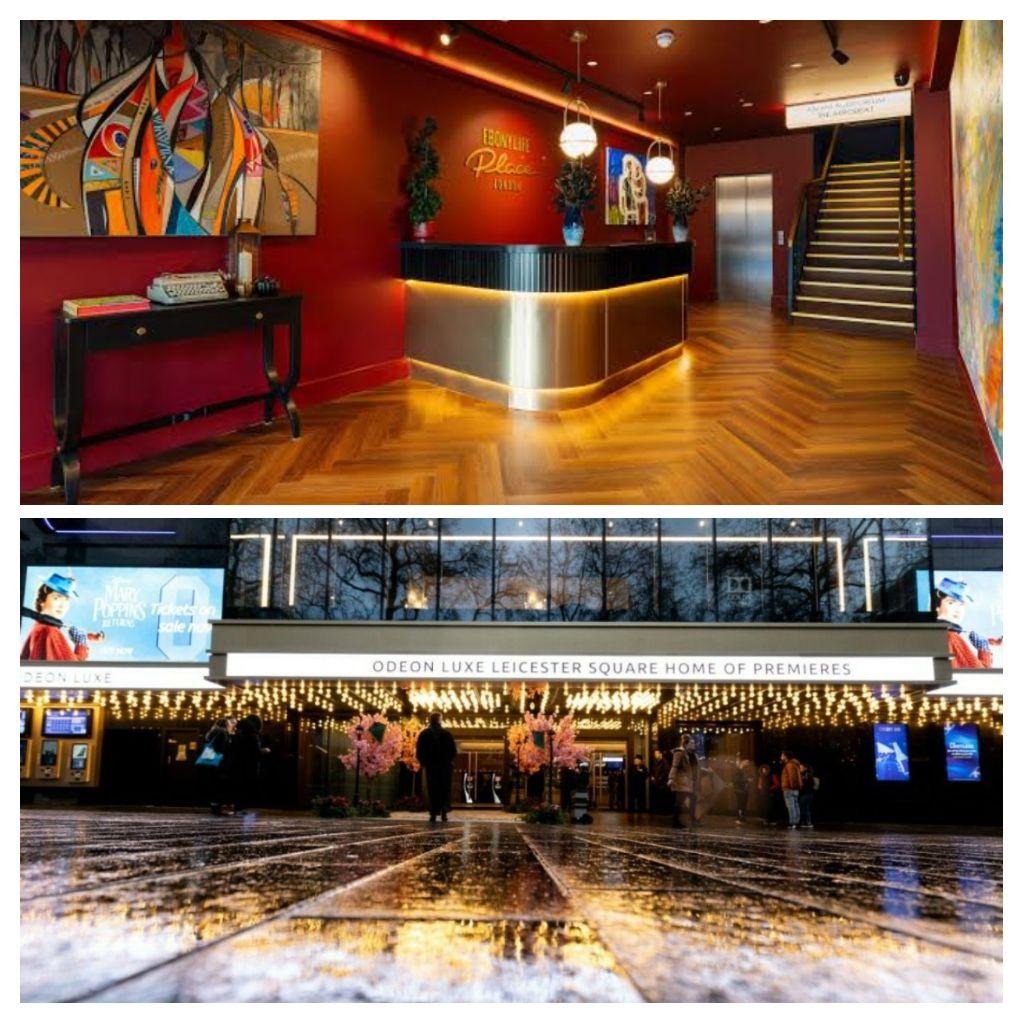
Funke Akindele’s upcoming film, The Four: No One Fights Alone, is scheduled to have its UK premiere at the ODEON Luxe Leicester Square on November 29. Meanwhile, media entrepreneur Mo Abudu has opened EbonyLife Place London, a cinema and cultural destination near Nine Elms in south-west London.
The two developments represent more than individual business milestones. They point to a growing effort to establish African films in international cinema spaces, build relationships with audiences outside the continent and create more sustainable routes to market.
Funke Akindele: Taking Nollywood to an Iconic London Cinema
Funke Akindele has become one of Nollywood’s most commercially successful filmmakers, with box-office hits including A Tribe Called Judah, Everybody Loves Jenifa and Behind the Scenes.
Her latest project, The Four: No One Fights Alone, will take another step into the international market with its planned UK premiere at ODEON Luxe Leicester Square on November 29. The event is being organised by Funke Akindele Network in partnership with FilmOne Entertainment.
Akindele has described the screening as the first time a Nollywood film will premiere at the prestigious London venue. The film is also scheduled to open in Nigerian cinemas on December 11.
The London premiere offers an opportunity to introduce the production to audiences beyond Nigeria, particularly Nigerians and other Africans living in the United Kingdom. It also gives the film a prominent international platform and could help build interest ahead of its domestic cinema release.
However, a high-profile premiere is only one part of the challenge. The longer-term test will be whether Nigerian productions can consistently attract paying audiences in international markets and translate that interest into sustainable distribution opportunities.
Mo Abudu: Building a Permanent Home for African Cinema
While Akindele is taking a film to an established international cinema, Mo Abudu is building a space where African films can regularly reach audiences.
Abudu, founder of EbonyLife Group, officially opened EbonyLife Place London on October 8, 2026. Located in south-west London, close to Nine Elms, the multi-purpose entertainment and cultural centre features the 160-seat Amani Auditorium.
The auditorium is designed to host a year-round programme of African and Black cinema, with a strong focus on Nollywood. Its programming will also include films and stories from the Caribbean, the United States, the United Kingdom and other parts of the African diaspora.
Beyond cinema screenings, the venue is intended to host industry discussions, masterclasses, live performances and other cultural events. The wider complex also brings together food, fashion, art and entertainment.
The project addresses a longstanding challenge for African filmmakers seeking international audiences: access to dedicated exhibition spaces.
Having a permanent venue could make it easier for independent filmmakers and production companies to screen their work, engage audiences and build relationships with distributors and other industry professionals. It also creates a potential meeting point for Nigerian and British creative businesses.
Abudu's investment is therefore not limited to bringing individual films to London. It is an attempt to establish an enduring platform for African storytelling and cultural exchange.
The Diaspora Box-Office Opportunity
For years, Nollywood's commercial reach has been closely tied to the Nigerian market, although its films have also found audiences across Africa and among diaspora communities.
Streaming services have provided another route to international audiences, but changes in commissioning strategies and investment priorities have made it increasingly important for filmmakers to explore alternative ways of financing, distributing and monetising their productions.
Cinema releases offer one such option. Unlike deals that depend on licensing a film to a streaming platform, theatrical distribution allows producers and distributors to generate revenue through ticket sales, subject to cinema agreements and distribution costs.
The diaspora market presents another opportunity. Nigerians and other Africans living abroad may want access to films that reflect familiar languages, cultures, experiences and stories. Yet access to regular screenings can be limited by the availability of suitable venues and distribution arrangements.
Taking films to cities with established African communities could help close that gap. It also offers filmmakers an opportunity to reach audiences who may not otherwise encounter their productions in mainstream cinemas.
London is a particularly attractive market because of its diverse population and connections to African communities. But the opportunity is not automatic. Filmmakers still need effective promotion, competitive ticket pricing, accessible screening schedules and a consistent supply of films that appeal to different audiences.
The success of this approach will ultimately depend on whether audiences turn out beyond opening-night premieres and whether cinema operators can make African film programming commercially sustainable.
Is London Becoming Nollywood's Second Capital?
It may be too early to describe London as Nollywood's second capital. Nigeria remains the industry's principal production and commercial base, with its filmmakers, actors, production companies, distributors and cinema audiences.
Nevertheless, London could become an increasingly important centre for the international exhibition, promotion and distribution of Nigerian films.
Akindele's planned premiere demonstrates the value of using established international cinema venues to attract attention to Nollywood productions. Abudu's EbonyLife Place, meanwhile, provides a dedicated space for African and Black stories to reach audiences throughout the year.
Their approaches are different, but they address the same broader objective: making African films more accessible and commercially viable beyond their home markets.
The next challenge is to turn these developments into lasting business opportunities. That will require more than occasional premieres or the opening of a single cinema. It will depend on consistent programming, reliable distribution partnerships, audience development and opportunities for filmmakers to earn revenue from international screenings.
London may not be Nollywood's second capital yet, but it is becoming a more significant part of the industry's international ambitions.
Read our editorial standards and corrections policy.