
African Fashion Is No Longer Waiting for Permission
Discover how African designers like Lisa Folawiyo and Thebe Magugu are blending heritage with modern style and what the industry needs to grow.
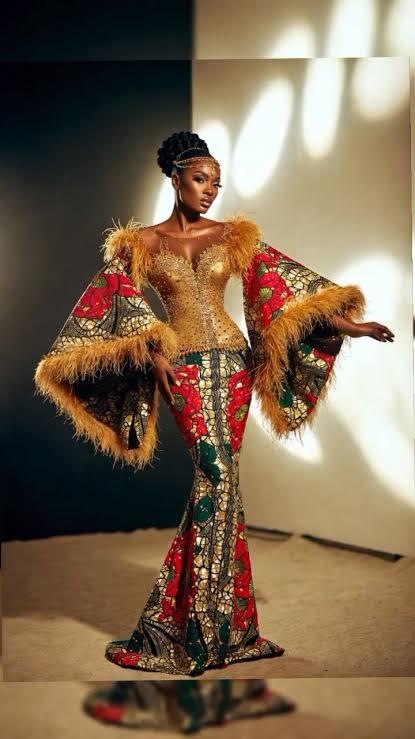
African fashion was once seen mainly through the lens of weddings, festivals and ceremonies. Today, designers from Lagos to Johannesburg are showing on international stages, winning major prizes and building brands that sell well beyond their home markets. The conversation has shifted from “what Africans wear” to “what the world is wearing next.”
Rooted in Heritage, Not Limited by It
African textiles carry layers of meaning. Kente, woven by the Ashanti and Ewe peoples of Ghana, has long signified status and history. Aso-Oke, the hand-woven cloth of the Yoruba in Nigeria, marks weddings and milestones. Ankara has a more complicated story: the wax prints were industrialised in the Netherlands, inspired by Indonesian batik, and then adopted and reinvented across West Africa until they became part of the region’s identity.
Contemporary designers build on these traditions rather than simply reproducing them. They pair indigenous fabrics and techniques with modern tailoring, producing pieces that work on a runway, in an office or on the street.
Designers Setting the Pace
Lisa Folawiyo (Nigeria) is known for embellished Ankara pieces that sit comfortably in contemporary luxury fashion.
Thebe Magugu (South Africa) became the first African winner of the LVMH Prize in 2019, a milestone that put African design in front of the industry’s biggest gatekeepers.
Orange Culture (Nigeria), led by Adebayo Oke-Lawal, has challenged conventions in menswear with fluid, gender-defying designs.
These are not isolated successes. Each reflects a distinct regional scene, from West Africa’s bold prints and embellishment to South Africa’s conceptual, storytelling-driven design, and each has its own audience and economy.
Platforms That Opened the Door
Events built on the continent have been crucial. Lagos Fashion Week, founded in 2011, gave designers a home-grown stage where buyers and press could discover them. Internationally, the Victoria and Albert Museum’s 2022 exhibition Africa Fashion presented the continent’s designers as central figures in fashion history rather than curiosities.
Visibility also comes from the people wearing the clothes. When global celebrities choose African designers for major red carpets, they introduce these labels to audiences who might never have encountered them. Social media has amplified this further, letting designers reach customers directly, and the African diaspora has become a powerful base of buyers and ambassadors.
The Obstacles That Remain
Growth has not removed the structural barriers:
Funding: Access to capital is limited, particularly for early-stage designers.
Production: High material costs and limited manufacturing infrastructure make it hard to scale, and many designers still depend on imported fabrics. Even though 37 African countries grow cotton, the continent imports $23.1 billion worth of textiles, clothing, and footwear annually while exporting just $15.5 billion, according to UNESCO’s African Fashion Sector Report.
Market access: Shipping costs, customs delays and payment barriers complicate selling abroad.
Intellectual property: Original designs and traditional patterns are frequently copied by larger brands, often with no credit or compensation.
Solving these problems will take investment, stronger local supply chains and policies that treat fashion as a serious industry, not a hobby.
What Comes Next
The timing is favourable. Global buyers increasingly value sustainability, craftsmanship and locally made goods, areas where many African designers already excel through small-batch production and traditional techniques. A younger generation is also reinterpreting heritage through digital-first brands and direct-to-consumer sales.
The economic stakes are significant. A stronger fashion sector means jobs for tailors, weavers and artisans, and demand for local textile production. Sub-Saharan Africa’s apparel and footwear market is already valued at $31 billion according to UNESCO, and in Nigeria alone, the fashion industry contributes approximately $6.1 billion to national GDP, according to the Federal Ministry of Art, Culture, and the Creative Economy.
Conclusion
African fashion no longer needs to prove it belongs. The harder question is whether the industry around it will get the funding, infrastructure and protection to match the talent. If it does, African designers will not just join the global conversation; they will help set its direction.
Read our editorial standards and corrections policy.