
Why We Can’t Stop Loving Movie Villains
From the Joker to Killmonger, villains often capture our attention through their complicated pasts, fascinating personalities and the performances that bring them to life.
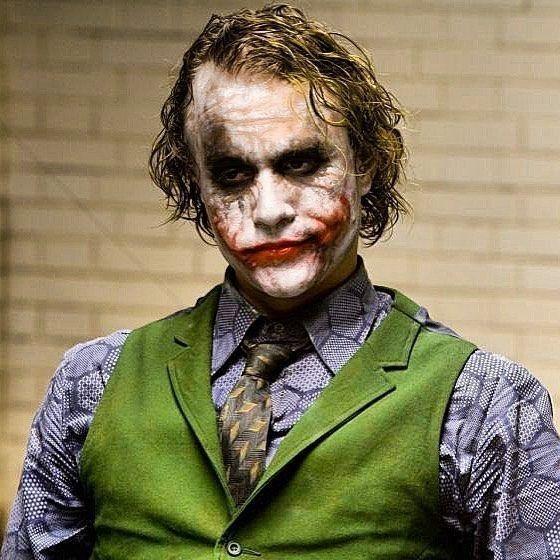
Have you ever watched a movie and found yourself waiting for the villain to appear, even though you are supposed to be rooting for the hero? Sometimes, the character causing all the trouble becomes the one you cannot stop talking about long after the credits roll.
It is an interesting contradiction. We know the villain is supposed to be the bad guy, yet we find ourselves fascinated by their actions, drawn to their personalities and, occasionally, sympathising with their struggles. In some cases, the villain becomes more memorable than the hero.
So, what makes these characters so difficult to forget?
The Appeal of a Complicated Character
One reason is that villains are often written with qualities that make them impossible to ignore. They can be intelligent, confident, unpredictable, witty or dangerously charming. Their decisions keep viewers guessing, while their presence can change the entire atmosphere of a scene.
Consider the Joker, particularly Heath Ledger's portrayal in The Dark Knight. His character is disturbing, unpredictable and responsible for terrible acts. Yet, his intelligence, unsettling humour and ability to challenge Batman's beliefs make him fascinating to watch.
The Joker does not simply oppose the hero. He questions the rules that define Batman's world, forcing both the superhero and the audience to confront uncomfortable questions about morality, order and human behaviour.
That complexity makes the character compelling, even when his actions are impossible to defend.
When We Begin to Understand the Villain
A villain's backstory can also change how audiences perceive them. Some characters are shaped by rejection, betrayal, loss or circumstances that influence the people they become.
When a film reveals what a character has experienced, viewers may begin to understand their motivations. A character who initially appears purely evil may suddenly seem more complicated, with fears, disappointments and desires that audiences recognise.
Killmonger in Black Panther is a good example. His anger is rooted in abandonment and the suffering of people of African descent. His experiences shape his desire to challenge the existing order, giving his conflict with T'Challa a dimension that goes beyond a conventional battle between good and evil.
Viewers may sympathise with his anger about injustice without agreeing with his violent methods. His character makes audiences consider an uncomfortable question: what happens when someone responds to genuine injustice in a destructive way?
The distinction matters. Understanding why a character behaves a certain way is not the same as excusing what they do. However, when a story gives its villain a believable emotional dimension, it becomes harder to dismiss them as simply evil.
Sometimes, It Is the Actor Who Steals the Show
A memorable villain is not created by the script alone. The actor playing the character can make an enormous difference.
Heath Ledger's performance as the Joker in The Dark Knight remains a striking example. His distinctive voice, expressions, movements and unsettling sense of humour created a character who could command attention even when he was not physically overpowering anyone.
Joaquin Phoenix brought a different interpretation to the role in Joker (2019), portraying Arthur Fleck as a troubled man whose experiences of social isolation, mistreatment and personal trauma contribute to his transformation.
The film invites viewers to examine the circumstances surrounding his transformation without making his violence morally acceptable.
These performances demonstrate how actors can make fictional characters feel remarkably real. Through their choices, they give villains distinctive personalities that audiences remember long after the story ends.
Sometimes, a villain's popularity says as much about the actor's performance as it does about the character's writing.
Are Villains More Interesting Than Heroes?
Another reason villains sometimes overshadow heroes is the freedom their roles allow.
Heroes are often expected to follow certain principles. They must protect people, make difficult sacrifices and ultimately try to do the right thing. These expectations give heroic characters purpose, but they can also make their behaviour more predictable.
Villains, by contrast, often operate outside those boundaries. They may be driven by revenge, ambition, jealousy or a desire to challenge the established order. Their conflicting motivations and willingness to cross moral lines can create uncertainty about what they will do next.
Thanos in Avengers: Infinity War offers another example. He believes that eliminating half of all life in the universe is necessary to prevent resources from becoming insufficient. His reasoning is deeply flawed, but he sees himself as someone making a sacrifice for a greater purpose.
That conviction makes him more than a character who simply wants power. Audiences are confronted with someone who believes he is right, even when the consequences of his actions are devastating.
This does not necessarily make villains better characters than heroes. Rather, their unpredictability and distorted sense of morality can create dramatic tension that keeps viewers engaged.
A well-written hero can be just as fascinating, particularly when forced to confront personal weaknesses or make difficult moral choices. The difference is that audiences may find a character who breaks the rules more surprising than one who is expected to uphold them.
Enjoying a Villain Does Not Mean Supporting Their Actions
There is an important distinction between appreciating a fictional character and approving of their behaviour in real life.
Audiences can admire a villain's intelligence, enjoy their dialogue or appreciate an actor's performance without endorsing the character's cruelty. Fiction gives viewers the opportunity to explore fear, ambition, revenge and moral conflict from a distance.
Sometimes, a villain's appeal comes from the questions they raise rather than the actions they take. Other times, it is simply the pleasure of watching a brilliantly performed character dominate the screen.
The fascination becomes more complicated when viewers begin to sympathise with a villain's suffering. But empathy does not have to mean agreement. We can recognise a character's pain while acknowledging that other people should not have to suffer because of it.
Ultimately, that tension is part of what makes these characters so compelling.
The Characters Who Stay With Us
Movies are not remembered only for the heroes who save the day. They are also remembered for the characters who challenge expectations, provoke uncomfortable questions and make audiences feel something unexpected.
A memorable villain can unsettle us, entertain us and even make us reconsider how we judge people. Their complicated personalities, troubled histories and powerful performances can give them a lasting place in popular culture.
Perhaps that is why we sometimes find ourselves waiting for the villain to appear. We are not necessarily hoping they will win. We simply want to see what they will do next.
And sometimes, that is enough to make the bad guy the most unforgettable character in the story.