
Four African Writers Who Use Fiction to Challenge Society
From political corruption and postcolonial inequality to religious extremism and gender discrimination, these authors use literature to confront the injustices societies often accept as normal.
Literature is more than a form of entertainment. Through their works, authors educate, enlighten and challenge their readers. Across Africa, writers have used fiction to expose social injustices, question established traditions and examine the institutions that shape people's lives.
Rather than simply documenting the societies in which they live, these writers interrogate the structures of power, cultural expectations and inequalities that influence how people live and relate to one another. The works of Chinua Achebe, Ngũgĩ wa Thiong'o, Chimamanda Ngozi Adichie and Aiwanose Odafen offer different perspectives on these issues, from political corruption and economic exploitation to religious extremism and gender inequality.
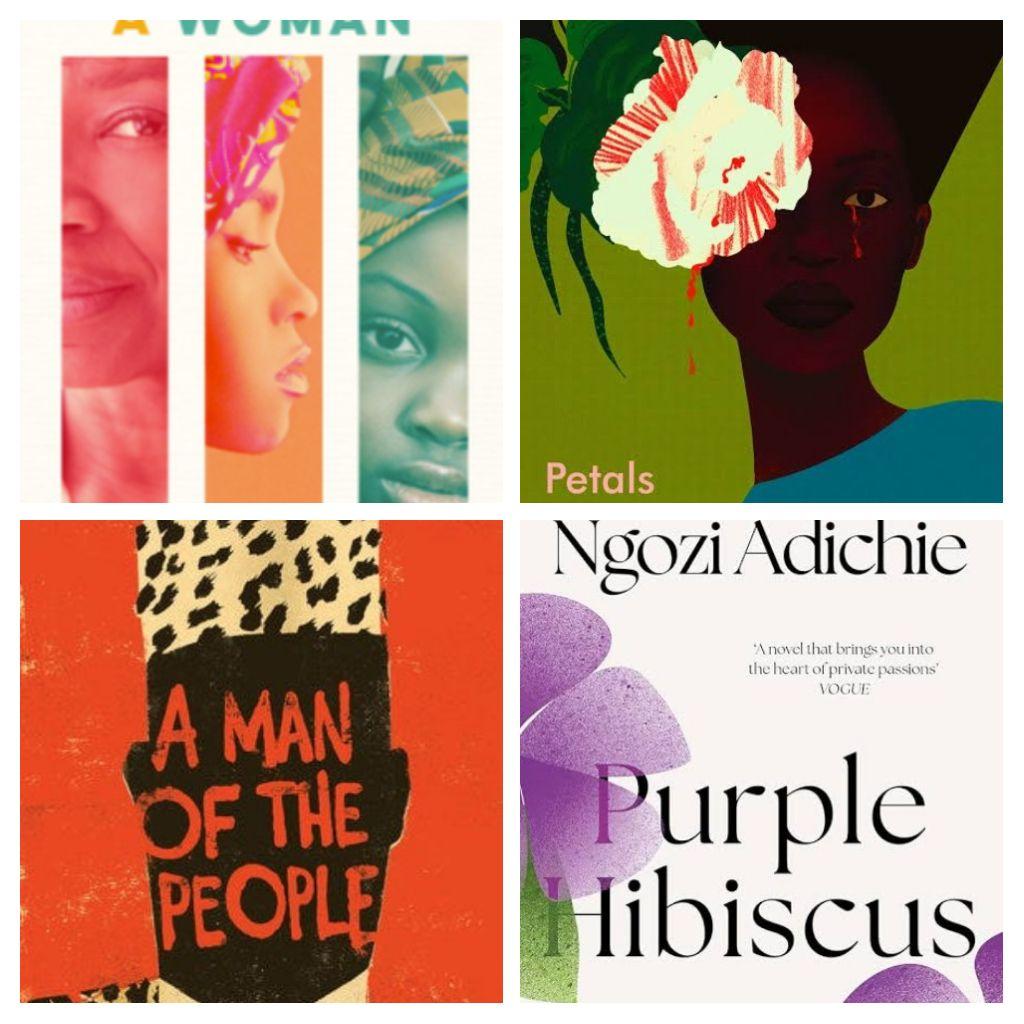
A Man of the People by Chinua Achebe
Chinua Achebe was a Nigerian novelist, poet and literary critic widely regarded as one of the most influential figures in African literature. His works frequently examine political leadership, cultural change and the complexities of African societies.
In A Man of the People, Achebe explores political corruption, electoral manipulation and the betrayal of public trust. Set in a fictional African country, the novel depicts political leaders who exploit public office for personal gain while using gifts, intimidation and unfulfilled promises to secure public support.
Through these portrayals, Achebe questions the relationship between political leaders and the ordinary people they claim to represent. The novel exposes the gap between the promise of public service and the pursuit of private interests, showing how political power can become a tool for personal enrichment rather than collective progress.
Although rooted in its particular political setting, the novel raises a broader question about leadership: what happens when those entrusted with public responsibility place their own interests above those of the people?
Petals of Blood by Ngũgĩ wa Thiong'o
Kenyan writer Ngũgĩ wa Thiong'o used his literary works to examine colonialism, political corruption, social inequality and the exploitation of ordinary people. His writing frequently questions whether independence delivers meaningful change when the structures that sustain inequality remain in place.
In Petals of Blood, Ngũgĩ examines the disillusionment that follows Kenya's independence. The novel challenges the emergence of African elites who replace colonial rulers but continue to benefit from systems that leave many ordinary citizens economically disadvantaged.
Through its treatment of capitalism, political corruption and unequal access to resources, the novel exposes the contrast between the promise of independence and the realities of life for those who remain poor. Political freedom, Ngũgĩ suggests through his portrayal, does not automatically translate into economic justice or social equality.
The novel's critique extends beyond the immediate setting of post-independence Kenya. It raises questions about who benefits from political and economic change, who bears its costs, and whether a society can claim to have achieved genuine liberation when wealth and opportunity remain concentrated in the hands of a few.
Purple Hibiscus by Chimamanda Ngozi Adichie
Chimamanda Ngozi Adichie is an award-winning Nigerian writer whose works explore Nigerian society, gender, identity, religion and the complexities of human relationships.
In Purple Hibiscus, Adichie explores religious extremism, gender inequality, political oppression and tensions surrounding cultural identity. The Achike family provides a personal setting through which these broader issues emerge, particularly in the character of Eugene, a wealthy and devout Catholic who publicly opposes political corruption but exercises authoritarian control over his own family.
Eugene's religious rigidity and rejection of traditional Igbo beliefs reveal the tensions that can arise when religious conviction becomes a justification for controlling others. His behaviour also raises questions about the influence of colonial religious values on cultural identity and personal freedom.
Meanwhile, the experiences of Aunty Ifeoma and Beatrice reveal different dimensions of women's lives within patriarchal structures. Their circumstances illustrate how family expectations, social pressures and unequal power relationships can restrict women's choices and independence.
By connecting domestic life with the wider political environment, Adichie demonstrates how authoritarianism can operate beyond formal institutions. The struggle for freedom is not only a matter of challenging oppressive governments; it can also involve confronting the unequal power relationships that exist within the home.
Tomorrow I Become a Woman by Aiwanose Odafen
Contemporary Nigerian writer Aiwanose Odafen examines gender inequality, family relationships and the expectations placed on women in Nigerian society.
In Tomorrow I Become a Woman, Odafen explores how patriarchal expectations shape women's identities and life choices. The novel challenges the belief that marriage and motherhood should define a woman's worth or determine whether she has achieved success.
Through its examination of women's experiences, the book considers the struggle to build an identity beyond the roles society prescribes. It highlights how men may be granted greater authority while women face restrictions on their independence, ambitions and personal decisions.
Odafen also examines the pressure on women to marry and remain in their marriages, even when those relationships do not provide happiness or fulfilment. Expectations surrounding behaviour, speech and respectability can become standards against which women are judged, particularly when they are considered potential wives.
The novel questions a social order that places conformity above individual fulfilment and treats cultural expectations as more important than women's autonomy. Its central concerns speak to wider debates about gender roles, personal freedom and the right of women to determine the direction of their own lives.
How Literature Challenges Society
Although these four novels explore different experiences and social conditions, they share a willingness to question accepted norms. Achebe examines the abuse of political power, Ngũgĩ confronts economic exploitation, Adichie explores the connections between authoritarianism, religion and family life, while Odafen challenges the expectations imposed on women.
Their works demonstrate how fiction can make complex social problems more accessible by showing how they affect individuals, families and communities. Rather than treating corruption, inequality or discrimination as abstract concepts, literature reveals their consequences for human relationships, personal choices and collective life.
These concerns are not confined to Africa. Questions about accountable leadership, economic justice, cultural identity and gender equality resonate across societies, even when their histories and circumstances differ.
By challenging readers to look beyond what society accepts as normal, these writers show that literature can do more than reflect the world. It can question the systems that shape it and encourage readers to reconsider what they have come to accept.
Reception and Debate
These novels have not been received without argument. A Man of the People appeared in January 1966, and its ending, which features a military coup, seemed to anticipate events in Nigeria so closely that many readers treated the book as prophecy. Purple Hibiscus was widely praised on release and won the Commonwealth Writers’ Prize for Best First Book, yet novels that criticise religion, family and politics inevitably prompt debate about how fairly they portray the people and institutions they target. Petals of Blood, with its openly political critique of capitalism, has divided readers who admire its ambition from those who find its message heavy-handed.
Read our editorial standards and corrections policy.