
Department of Defence Designates Confucius Institutes as Threats to U.S. National Security
The move intensifies scrutiny of Chinese-funded cultural and educational programmes in the United States, raising questions about its implications for US-China relations and countries such as Nigeria that host the institutes.
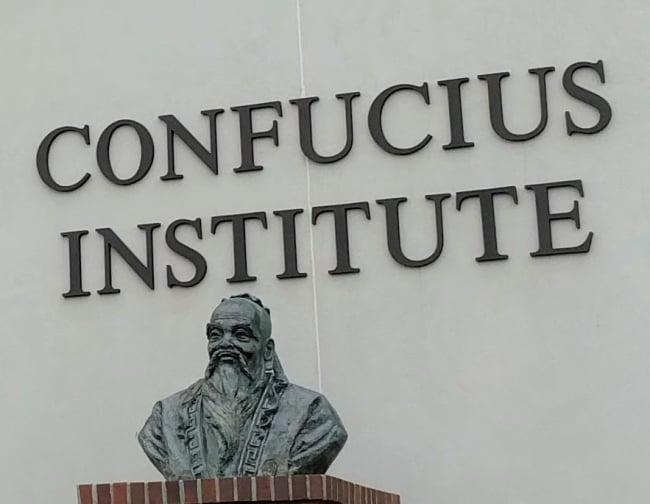
The US Department of Defence has designated Chinese-funded Confucius Institutes as threats to national security, in a move that could further intensify tensions between Washington and Beijing.
Defence Secretary Pete Hegseth announced the decision in a video posted on his X account on Friday, October 23, 2026. He alleged that the institutes had continued operating at American universities under different names and organisational structures despite earlier restrictions.
According to Hegseth, 80 organisations operating across 30 universities had re-emerged under different names but with similar objectives. He accused them of seeking to steal intellectual property and influence American students.
“These Chinese Government-backed propaganda cultural programs have infiltrated our nation's universities in almost every state,” he said.
Hegseth added that the Defence Department had dismantled the organisations over the preceding two months. These claims were presented by the secretary as part of the administration's national security concerns.
What Are Confucius Institutes?
Confucius Institutes are Chinese government-supported educational and cultural centres established in partnership with foreign universities and educational institutions. They promote Mandarin-language instruction, Chinese culture and cultural exchange through language classes, examinations and other programmes.
The institutes have also faced criticism from US officials and some academics, who argue that Chinese government involvement can create opportunities for political influence and restrictions on academic freedom. Supporters, however, point to their role in language education and cultural exchange.
In August 2020, the US State Department designated the Confucius Institute US Center, which coordinated the network, as a foreign mission of China. That action increased scrutiny of its operations but did not itself require individual university-based institutes to close.
The Pentagon's latest announcement represents a further escalation in the US government's scrutiny of the programmes. Hegseth urged universities to remain vigilant against organisations he said had returned under different names.
Implications for US-China Relations
The designation reflects wider US concerns about China's political and economic influence, particularly within American educational institutions. Washington has increasingly treated some forms of Chinese engagement not simply as cultural diplomacy but as potential national security risks.
However, the designation does not, by itself, establish that every Confucius Institute has engaged in espionage or that all such programmes worldwide will be shut down.
The decision could nevertheless deepen mistrust between the two countries and place additional pressure on academic and cultural partnerships involving Chinese institutions. The extent of its practical effects will depend on how the designation is implemented and whether further restrictions follow.
What It Means for Nigeria
Nigeria also hosts Confucius Institutes at the University of Lagos and Nnamdi Azikiwe University in Awka. Both institutions offer Chinese-language instruction and promote cultural and educational exchange between Nigeria and China.
The programmes have practical relevance as Nigeria-China relations expand across education, trade and other sectors. Mandarin proficiency can help students and professionals pursue academic opportunities and work with Chinese businesses operating in Nigeria.
The US designation does not automatically apply to the Nigerian institutes, and there is no indication that Washington's announcement has directly altered their operations.
Nevertheless, the development raises broader questions for countries hosting Chinese-funded educational programmes about balancing the benefits of international cooperation with concerns over transparency, academic independence and foreign influence.
For Nigeria, the immediate implications remain uncertain. Whether the US decision leads to wider scrutiny of Confucius Institutes in other countries will become clearer as Washington's policy develops.
Read our editorial standards and corrections policy.