
US Sanctions ICC, Vowing to Cripple Court as Allies Rally in Support
Washington says the measures will protect American sovereignty, while the court and its member states warn that the sanctions threaten international justice.
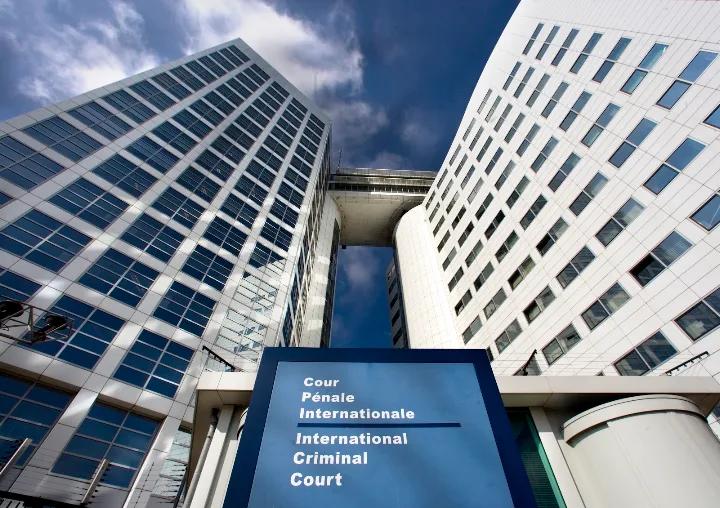
The United States has imposed sanctions on the International Criminal Court (ICC), escalating its confrontation with the international tribunal and prompting renewed support for the court from several US allies.
US Secretary of State Marco Rubio announced the measures on Friday, October 9, 2026, saying Washington would prohibit transactions with the court and restrict its access to resources and services. The sanctions include a six-month transition period for organisations and businesses to end covered dealings with the ICC.
In a video posted on his official X account, Rubio accused the court of threatening American sovereignty and challenged its authority to prosecute US citizens, military personnel and political leaders.
“The US is sanctioning the International Criminal Court. We will ban transactions with this rogue court, cutting off their resources and crippling their ability to operate against us,” he said.
Rubio added that Washington would continue its campaign against the court, warning: “Either the ICC will end its threat or we end the ICC.”
The Trump administration has argued that the court should not exercise jurisdiction over Americans. The United States is not a party to the Rome Statute, the treaty that established the ICC, although the court's jurisdiction can extend to certain crimes involving nationals of non-member states under specific circumstances.
ICC rejects sanctions
ICC President Judge Tomoko Akane condemned the sanctions, describing them as an attempt to obstruct the court's work and intimidate those who support it.
In a statement on Friday, the court said the measures targeted an independent judicial institution established by treaty and entrusted by 125 member states with investigating and prosecuting genocide, war crimes, crimes against humanity and the crime of aggression.
Akane said the court would not allow external pressure to prevent it from carrying out its mandate.
She also described the sanctions as an attack on the international legal order and the sovereign states that established the court.
The latest measures follow earlier US sanctions against 13 ICC judges and prosecutors. The new action extends the pressure from individual court officials to the institution itself, potentially affecting its access to financial services, technology and other resources linked to the United States.
US allies reaffirm support
The sanctions have drawn concern from several countries that are parties to the Rome Statute.
The foreign ministers of Canada, Denmark, Germany, France, Italy, Japan, the Netherlands and the United Kingdom issued a joint statement on October 9 reaffirming their support for the ICC's independence, impartiality and integrity.
They warned that fully implementing the sanctions could disrupt the court's operations and affect its staff and their families. The ministers also expressed their willingness to engage Washington in constructive dialogue over its concerns.
Japan has separately reaffirmed its support for the court. Foreign Minister Toshimitsu Motegi expressed concern that the US measures were incompatible with Japan's established position and said Tokyo would continue fulfilling its responsibilities as a state party to the Rome Statute.
Motegi also indicated that he was in close communication with Rubio over the dispute.
European Council President António Costa likewise reiterated the European Union's commitment to independent international justice and called for dialogue between Washington and the relevant parties.
The responses highlight the diplomatic challenge facing the United States as it seeks support from allies that remain committed to the ICC.
Netanyahu arrest warrant remains a source of tension
The US campaign against the ICC has intensified since the court issued arrest warrants in November 2024 for Israeli Prime Minister Benjamin Netanyahu and former Defence Minister Yoav Gallant.
The warrants concern alleged war crimes and crimes against humanity linked to the war in Gaza. Both Israeli leaders have rejected the allegations, and Israel has criticised the court's actions.
The United States has strongly opposed the ICC's actions against Israeli officials, arguing that the court lacks legitimate authority over the leaders of countries that are not parties to its founding treaty.
However, the ICC's jurisdiction is not determined solely by whether a suspect's country has joined the Rome Statute. The court can, under specified legal conditions, exercise jurisdiction over alleged crimes committed on the territory of a member state.
The distinction is central to the wider dispute over the court's authority and the limits of national sovereignty.
Sanctions follow Navi Pillay's Nobel win
The announcement also came hours after former ICC judge Navi Pillay was awarded the 2026 Nobel Peace Prize.
The Norwegian Nobel Committee recognised Pillay, a South African jurist and former United Nations high commissioner for human rights, for her work promoting peace and international law. She served as an ICC judge from 2003 to 2008 and later chaired a UN commission of inquiry into the occupied Palestinian territory.
The commission concluded in 2025 that Israel had committed genocide in Gaza, a finding Israel has strongly rejected.
Pillay condemned the US sanctions in an interview with Al Jazeera, suggesting that their timing made them appear to be retaliation for her Nobel recognition. That interpretation remains her assessment rather than an established explanation for Washington's decision.
The Trump administration has previously criticised the ICC and imposed sanctions on court officials. The latest measures therefore form part of a longer-running dispute, particularly over the court's investigations involving US personnel and Israeli leaders.
As the six-month transition period begins, the sanctions leave the ICC facing potential operational disruption while its member states consider how to protect the court's work and engage with Washington.
The immediate challenge is whether diplomatic negotiations can address US objections without undermining the court's ability to investigate and prosecute serious international crimes.