
Aviation Profits Plunge: Why Airlines Are Facing a $350 Billion Fuel Crisis
The IATA has issued a stark warning for the airline industry, forecasting a massive $350 billion fuel bill for 2026. Discover why global profits are halving and what it means for ticket prices
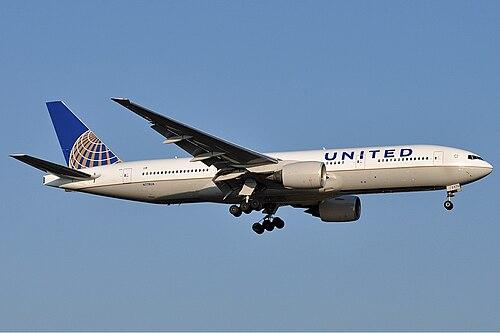
The post-pandemic boom in the airline industry has hit a massive roadblock. The International Air Transport Association (IATA) has issued a stark warning: the global aviation sector is facing a severe financial squeeze, driven by an unprecedented surge in fuel costs.
With global supplies disrupted, airline profit margins are expected to dip to their weakest point since the COVID-19 pandemic. Here is a breakdown of why flying is about to get much more expensive for both airlines and passengers
Why airline profits are Plunging
The financial outlook for the rest of 2026 is bleak. According to IATA's latest projections, the entire industry's profitability is expected to be cut in half.
Plunging Profits: Global industry profits are expected to plummet to $23 billion in 2026, roughly half of the $45 billion estimated for 2025.
The Massive Fuel Bill: Airlines will have to spend an extra $100 billion on jet fuel this year alone, bringing the industry's total global fuel bill to a staggering $350 billion.
Shrinking Margins: The industry's net profit margin is projected to shrink to a razor-thin 2.0%.
Per-Passenger Earnings: Airlines are expected to make just $4.50 in net profit per passenger, a sharp decline from the $9.10 estimated in 2025.
The Root Cause: Geopolitics and Supply Chains
This dramatic financial shift is primarily being driven by external shocks. The war in the Middle East and the closure of the Strait of Hormuz in March severely choked off oil supplies, causing jet fuel prices to skyrocket.
Jet fuel prices are now projected to average $152 per barrel, an alarming increase from the $90 average seen in 2025. IATA Director General Willie Walsh noted that for many airlines, this spike in the fuel bill is "potentially existential".
To make matters worse, airlines are being forced to operate older, less fuel-efficient aircraft because aerospace supply chains have failed to deliver new planes and engines on time.
What This Means for Passengers
If you are planning to fly, prepare to pay more. The rising operational costs will inevitably be passed down to consumers.
Walsh explicitly stated that high oil prices will result in higher ticket prices, noting that there is "no way to avoid that". While long-haul and business travelers might see the steepest increases, budget and leisure flights will also be affected as airlines scramble to break even.
Despite the financial strain, passenger demand remains incredibly strong. IATA projects that passenger volume will still reach a record 5.1 billion in 2026, proving that while flying is becoming more expensive, the global appetite for travel has not slowed down.