How Corporate Profits Are Driving the Cost of Living
While consumers are being squeezed by inflation and soaring energy costs, major corporations are posting record-breaking profits. Discover the mechanics of "greedflation" and how businesses are using global crises as a smokescreen to pad their bottom lines.
If you look at the global economy in 2026, you will see two entirely different realities playing out side-by-side. On Main Street, ordinary families are drowning in a renewed cost-of-living crisis, paying significantly more for groceries, housing, and gas. Meanwhile, on Wall Street, major food and energy conglomerates are popping champagne and buying back their own stock with record-breaking windfall profits.
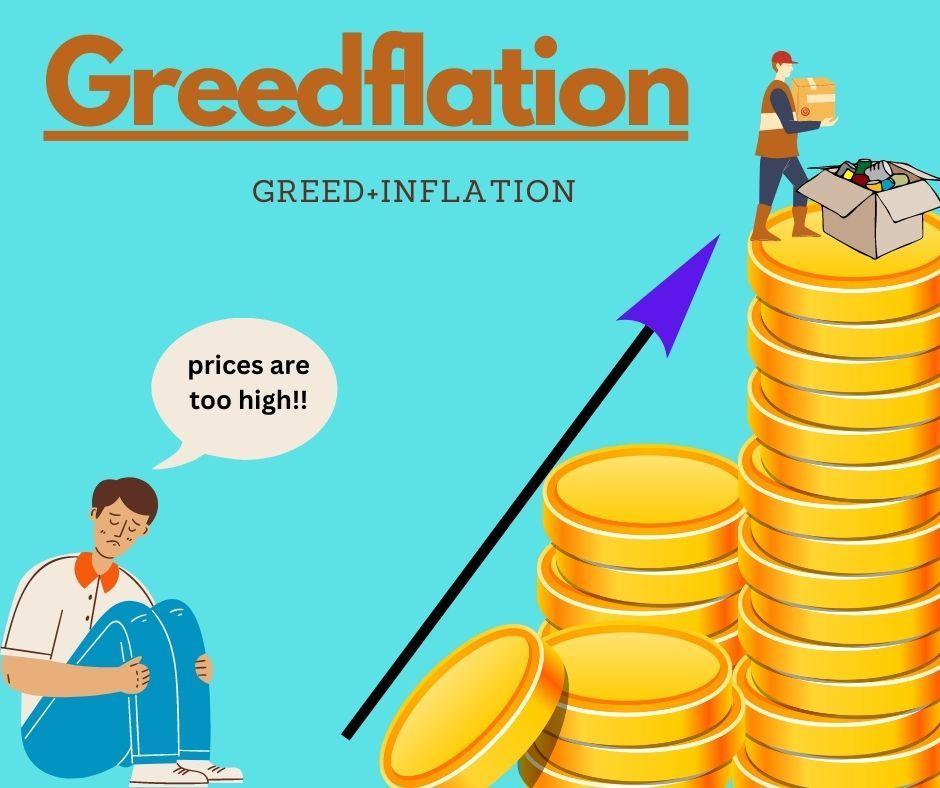
This massive disconnect has pushed a controversial term back into the global spotlight: Greedflation.
What Exactly is "Greedflation"?
Traditional economics teaches us that inflation happens when there is high demand and limited supply costs go up, so businesses raise prices just to survive.
Greedflation, however, is a different beast entirely. It happens when corporations realize that consumers expect prices to go up because of news about wars, supply chain issues, or tariffs. Knowing that consumers are braced for the worst, these companies raise their prices far beyond what is necessary to cover their own rising costs. The difference goes straight into their profit margins.
In short: They aren't just passing on costs; they are using global crises as a smokescreen to squeeze more money out of the public.
The 2026 Context: A Perfect Storm for Profiteering
The current economic landscape has provided corporations with plenty of excuses to hike prices.
1. The Middle East Energy Shock
The ongoing conflict in the Middle East and the prolonged blockade of the Strait of Hormuz have genuinely disrupted global oil and gas supplies. Unsurprisingly, energy companies immediately hiked their rates. However, as global institutions like Oxfam have recently pointed out, profit margins for massive food and energy corporations have skyrocketed by nearly 256% in recent years, with the vast majority of that cash going straight to wealthy shareholders rather than being reinvested or used to lower consumer costs.
2. The Tariff Smokescreen
In sectors like electronics and tech, companies frequently cite "new tariffs" to justify price hikes. However, procurement experts are increasingly warning about "price contagion." This is when a company faces a tariff on one specific component but chooses to raise the retail price across their entire product catalog, assuming consumers won't know the difference.
The Human Cost
The real victims of corporate greed-flation are the world's most vulnerable. A 4% rise in inflation might mean a delayed vacation for a high-earner, but it means missing meals or keeping the heat turned off for lower-income households.
When a handful of mega-corporations control the vast majority of the food and energy supply, the free market stops working. Consumers cannot "shop around" for a better price when a few giants effectively dictate the cost of survival. Until governments address industry concentration and monopolistic pricing power, everyday consumers will continue to foot the bill for corporate windfalls.