
Trump Pauses Iran Strikes, Citing "Perimeters of a Deal," But Iran Denies Involvement
Washington cancels a planned large-scale strike after claiming progress in talks, but Tehran calls the account "a new lie."
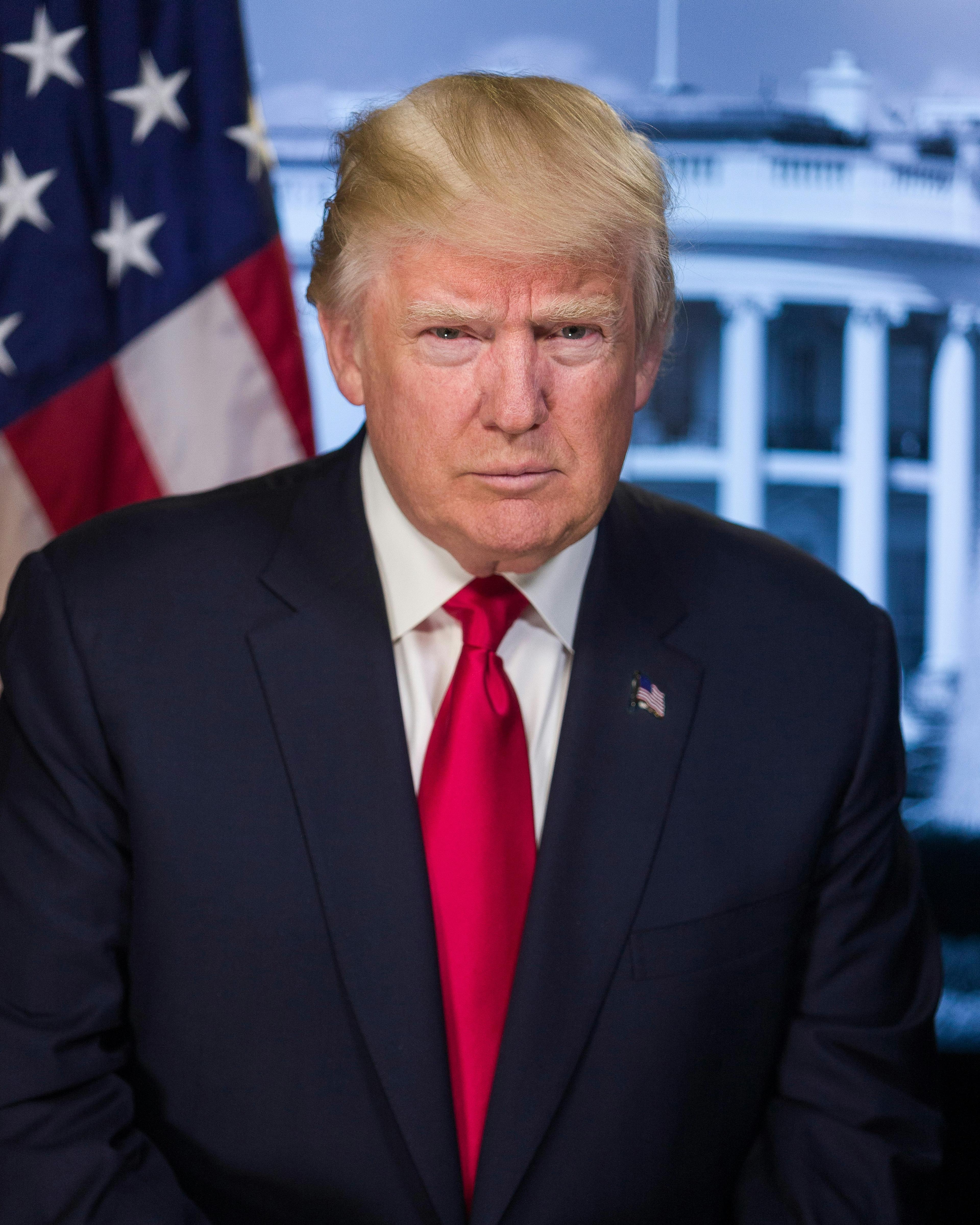
President Donald Trump has cancelled a planned large-scale U.S. attack on Iran, saying the "perimeters of a deal" had been agreed upon. He announced the decision on Truth Social late Saturday, just hours before a self-imposed deadline for Iran to reach an agreement.
The announcement follows months of direct conflict between Washington and Tehran that began in February 2026, when the U.S. and Israel launched a series of strikes on Iran. Iran responded by effectively shutting down the Strait of Hormuz, a chokepoint that carries roughly a quarter of the world's seaborne oil trade. Fighting resumed this week after Iran launched ballistic missiles at U.S. forces in Kuwait and Bahrain, prompting a fresh wave of American strikes on Islamic Revolutionary Guard Corps targets.
What Trump Said
Trump wrote that Iran and unnamed Middle Eastern countries had asked the U.S. to hold off on strikes because the outlines of a deal were in place. He said the arrangement would include the full reopening of the Strait of Hormuz and an end to what he called Iran's nuclear threat. He added that Israel had joined him in the commitment, but warned that U.S. forces remained ready to strike "at levels of Military Terror, Strength, and Power not seen since World War II" if the deal fell apart.
According to later reporting, the pause is set for two weeks, tied to Trump's own deadline for Iran to finalize an agreement. Trump described the pause as a "double-sided ceasefire" and said the two sides were far along on a long-term peace agreement.
Iran Pushes Back
Iran has publicly disputed Trump's version of events. Iranian military officials said the claim that Tehran requested a halt to U.S. strikes was false, and Iran's defense minister said the country remained on high alert and was neither surprised nor passive in the face of continued threats. Iran's foreign minister also warned that any renewed attacks by the U.S., Israel, or regional partners would be met with a proportionate response.
That denial is the clearest sign yet that the two sides are not describing the same reality. Trump has framed the pause as the product of a request from Iran; Iran says no such request was made.
Why It Matters
The immediate effect is that the U.S. has stepped back, at least temporarily, from a planned attack on Iran's energy infrastructure that U.S. media had reported was imminent. Regional actors, including Saudi Arabia, had expressed concern that further strikes could trigger Iranian retaliation against civilian infrastructure in the Gulf.
Domestically, the war has become politically costly for Trump. Recent polling found that a majority of Americans, as much as 64 percent, do not believe the war in Iran is worth fighting. That sentiment has fed a growing split inside the Republican Party, with some former officials and lawmakers breaking from the administration over the conflict.
Bottom Line
The confirmed fact is that Trump has paused planned strikes on Iran for two weeks and says the sides are close to a deal. What is not confirmed is that Iran agrees with that characterization. Iran has directly denied requesting the pause, and no terms of any agreement have been made public. Whether this becomes the start of a genuine ceasefire or a short interruption before renewed fighting will likely become clear well before the two-week window closes.