
Israel’s Election: Why the Stakes Extend Beyond Netanyahu
The first parliamentary election since the October 7, 2023 attacks comes amid regional conflicts, domestic divisions and uncertainty over who can form Israel’s next government.
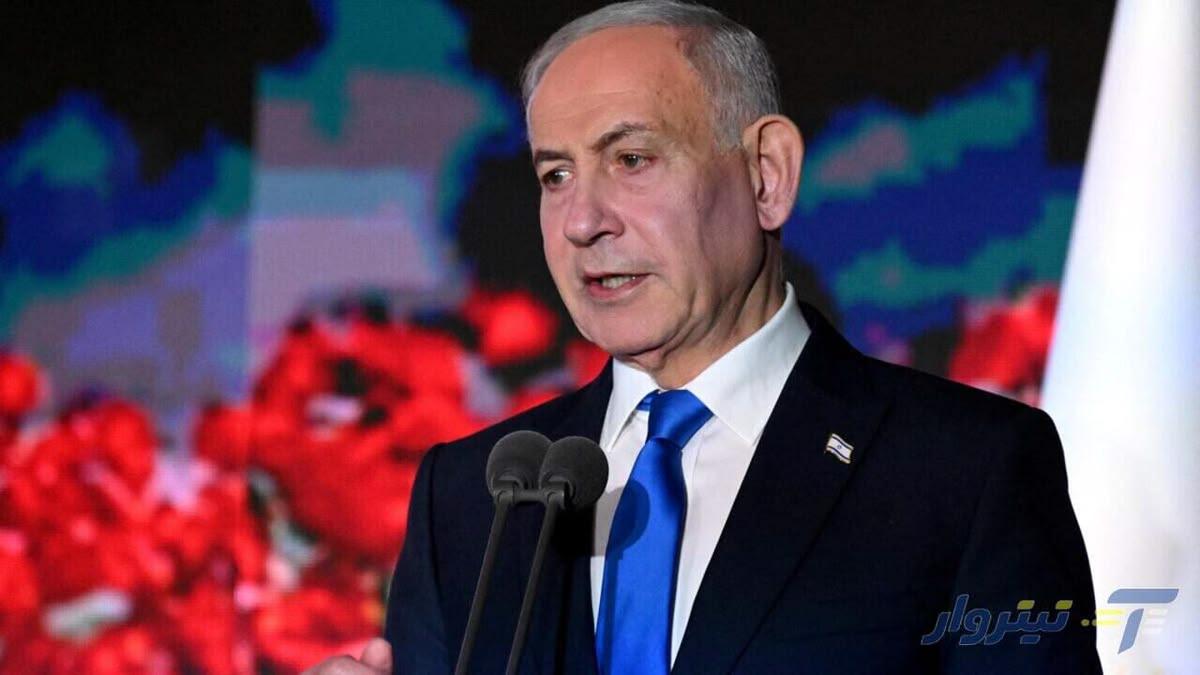
Israelis are preparing to vote in a closely contested parliamentary election that could determine whether Prime Minister Benjamin Netanyahu remains in power or a coalition of rival parties takes control. The vote, scheduled for Tuesday, October 27, comes as Israel faces continuing security challenges, public anger over the failures surrounding the October 7 attacks and growing international criticism of its policies.
The election is the first since the Hamas-led attacks in 2023 and the subsequent war in Gaza. It will test Netanyahu’s political standing after years of conflict and determine how much influence his opponents can gain over the country’s domestic and foreign policy.
Yet even if Netanyahu’s Likud party loses ground, a change in prime minister is not guaranteed. Israel’s fragmented political landscape means that forming a government could prove as difficult as winning votes.
A Tight Race with No Clear Winner
Israel uses proportional representation to elect the 120 members of its parliament, known as the Knesset. Parties receive seats according to their share of the vote, provided they cross the electoral threshold of 3.25 per cent. Because no single party is expected to win a majority on its own, governments depend on coalitions.
The central contest is between Netanyahu’s right-wing and religious allies and a diverse opposition seeking to replace his government. The opposition includes former military chief Gadi Eisenkot, who leads the centrist Yashar party; former prime minister Naftali Bennett, allied with former prime minister Yair Lapid; former defence minister Avigdor Lieberman; and former general Yair Golan.
Netanyahu’s bloc relies on Likud and parties including the far-right factions led by Itamar Ben-Gvir and Bezalel Smotrich, as well as the ultra-Orthodox parties Shas and United Torah Judaism.
Pre-election polling has not established a clear path to a majority for either side. One poll by Israel’s public broadcaster, KAN, projected 52 seats for the opposition alliance and 50 for Netanyahu’s bloc, leaving other parties potentially decisive.
The result will therefore depend not only on which parties win seats but also on whether they can agree to work together. If negotiations fail, Israel could face a prolonged political deadlock, a minority government or another election.
What Is at Stake for Netanyahu?
Netanyahu has been one of Israel’s dominant political figures for years, serving multiple terms as prime minister. His supporters view him as an experienced leader capable of protecting the country in a hostile regional environment. His opponents argue that his government must answer for security failures preceding the October 7 attacks and for policies they say have weakened democratic institutions.
The prime minister also faces corruption charges in Israel, which he denies, and an International Criminal Court arrest warrant over alleged war crimes in Gaza. These legal proceedings form part of the political backdrop, although the election itself will not determine their outcome.
A defeat could weaken Netanyahu’s influence and change the political prospects for a state commission of inquiry into the October 2023 attacks. However, his political future will depend on the final distribution of seats and whether rival parties can assemble a governing majority.
Even if Netanyahu’s opponents secure more seats collectively, disagreements among them could complicate efforts to replace him. Their views differ on issues including religion and state, security policy and the role of Arab-led parties in government.
The Issues Driving Voters
Security remains central to the campaign. The October 7 attacks exposed serious failures in Israel’s security system, and the subsequent conflicts have left voters weighing military policy, national defence and the prospect of further regional escalation.
The election also comes amid debate over compulsory military service. Exemptions for many ultra-Orthodox Jewish men have become a source of public anger, particularly among families whose relatives have served during wartime. Opposition figures have called for changes to the system, while ultra-Orthodox parties have made protecting their community’s status a condition of political support.
Another divisive issue is judicial reform. Netanyahu’s previous government proposed changes to Israel’s judiciary that critics said would weaken checks on executive power. The proposals triggered mass protests in 2023, and the future independence of the courts remains part of the political debate.
The war and its consequences are also shaping the campaign, although the leading parties do not offer a simple divide between support for military action and opposition to it. Their differences concern questions of leadership, accountability, security strategy and how Israel should handle its relationships with Palestinians and neighbouring countries.
Why the Story Has Piqued Global Interest
Israel’s election matters beyond its borders because the government that emerges will influence decisions affecting Gaza, the occupied West Bank and the wider Middle East. Israel’s security policies also have implications for Lebanon, Iran and its relationships with regional and international powers.
The outcome could affect whether Israel continues its current approach to the Palestinians and regional conflicts or seeks to adjust its policies. A new government might try to repair strained international relationships, but a change in leadership would not automatically produce a fundamental shift in policy.
Israel’s international standing has come under pressure over the war in Gaza and the expansion of settlements in the occupied West Bank. Some countries have taken measures against settlement-related activity, while criticism of Israel’s military campaign has intensified. The election will be watched for signs of whether the next government intends to respond to that pressure or maintain the current course.
The vote also carries significance for the United States and other partners that have longstanding political, security and diplomatic ties with Israel. Decisions made by the next government could affect cooperation, regional diplomacy and efforts to manage future crises.
The Role of Arab Parties and Palestinian Citizens
Arab-led parties could become important in determining who forms the next government. Ra’am and the Joint List represent many Palestinian citizens of Israel, who are eligible to vote in the election. Their potential influence is significant because neither major political bloc is clearly positioned to win a majority without support from parties outside its core alliance.
However, cooperation with Arab-led parties remains politically contentious. Both major blocs have faced constraints on working with them, narrowing the options available for forming a government.
There is also a distinction between Palestinian citizens of Israel, who can participate in the election, and Palestinians living in Gaza, the occupied West Bank and occupied East Jerusalem, who do not vote in Israel’s parliamentary elections despite being affected by Israeli government decisions on security, movement and territorial policy.
That distinction highlights one of the election’s broader questions: how decisions made by Israel’s electorate will shape the lives of people beyond the group entitled to choose its government.
What Happens After the Vote?
Voting is only the first stage. Once the results are clear, parties will face negotiations over coalition agreements, ministerial positions and policy priorities. Small parties could wield considerable influence if their seats determine whether either bloc can reach the 61-seat majority required to govern.
As of October 26, the election has not yet taken place, and the outcome remains uncertain. The immediate test will be whether Netanyahu’s opponents can turn their combined support into a workable governing coalition, or whether the incumbent can retain power through alliances with right-wing and religious parties.
The result will determine more than who occupies the prime minister’s office. It will offer a measure of how Israeli voters assess the country’s security failures, its political institutions and its direction after three years of conflict. For international observers, the crucial question will be whether the election produces a government capable of changing Israel’s political course or leaves the country’s existing divisions largely intact.
Read our editorial standards and corrections policy.