Why B2B Marketing Is Moving to YouTube, TikTok and Reddit
Enterprise software companies are trading the boardroom for the feed, taking their marketing war to YouTube, TikTok and Reddit, where the buyers they have long chased through professional networks actually spend their time.
It is a Tuesday night, and Amaka, a finance manager, has spent ten hours reconciling invoices by hand, as she has every month for three years. At home, she opens her phone for something mindless; a video on cooking jollof rice. Then a clip appears in her feed. A woman in an office demonstrates how invoices can be matched to payments automatically. Amaka watches it twice and saves it.
Three weeks later, her manager asks which accounting tool the team should evaluate. Amaka does not reach for a brochure or call a vendor. She opens her saved videos.
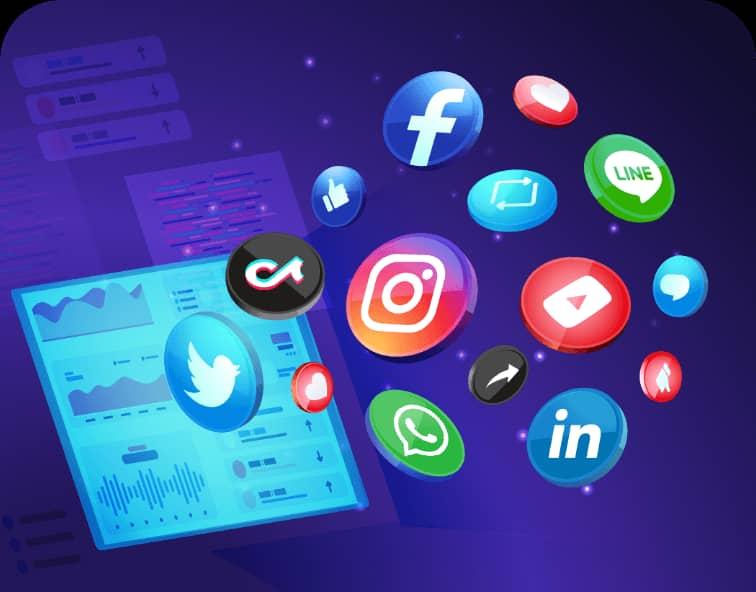
Moments like this are reshaping how enterprise software is sold. For years, the approach was predictable: trade show booths, email campaigns, trade publications and professional networking events. Now YouTube, TikTok and Reddit, once considered unsuitable for a serious sales pitch, are becoming part of the business-to-business (B2B) marketing playbook.
The explanation is straightforward. The person who approves a new payments system is not only a corporate decision maker. She is also an employee, a parent and a consumer who asks strangers online which phone to buy. Buyers do not leave their personal habits at the office door.
The Research Happens Before the Sales Call
Most people research a major purchase before speaking to a seller. They search online, watch reviews, read other buyers' experiences and shortlist their options.
Business buyers behave the same way. A company selecting accounting, payment or cybersecurity tools can spend weeks comparing providers and consulting colleagues, and much of that research now takes place online, well before a salesperson is contacted. An owner may first encounter an automation tool in a video. An IT manager facing a technical problem may find the solution in a forum thread written by someone who solved it before.
By the time a budget is approved, the shortlist has often been formed through research that no sales team ever sees. Brands visible at that stage become familiar names, and when the final decision comes down to two or three similar products, familiarity often tips the balance.
YouTube: Demonstration Over Description
Each platform serves a distinct purpose. YouTube suits products that cannot be explained in a few seconds. Longer videos allow a vendor to show the product at work, such as how an accounting tool tracks expenses, processes invoices and generates reports, so that buyers can assess the software itself rather than the promises made about it.
Trust is also at stake. A tutorial that solves a real problem does more for a brand than a polished advertisement that merely claims to. Viewers remember who helped them when they were stuck, and they are likelier to contact that company first.
TikTok: Complexity in Under a Minute
TikTok sits at the opposite end. Its short format rewards brands that can make complicated subjects simple. A cybersecurity firm can explain the three password mistakes most people make in under a minute. A productivity company can show how automation returns hours to a team each week.
The objective is not to turn business advertising into entertainment for its own sake. It is to make useful information easy to absorb and remember. The strongest examples adopt the platform's pace without sacrificing substance, and a company that can make a compliance rule engaging has achieved something many competitors have not.
Reddit: Where Brands Listen
Reddit functions less as a stage than as a place to listen. Its interest-based communities are where users compare products and share candid experiences, including failures. A person searching for project management software may trust a stranger's thread over a vendor's brochure, because the stranger has nothing to sell.
For companies, these discussions offer a form of free market research. They reveal what customers need, what frustrates them about existing tools and the language they use to describe their problems. The platform, however, has little tolerance for aggressive promotion. Users value honesty, and brands that push too hard risk being shut out or publicly criticized. Those that succeed answer questions, acknowledge limitations and let the product speak for itself.
LinkedIn Remains Relevant
None of these signals the decline of LinkedIn, which remains an effective channel for networking, lead generation and reaching executives. What is changing is the assumption that a single platform can do everything. A brand might use LinkedIn to reach senior buyers, YouTube to demonstrate its product, TikTok to build awareness and Reddit to understand its market.
The approach works as a relay rather than a replacement. Each channel passes the buyer to the next, and the brand that coordinates those handoffs best is the one most likely to win the sale.
A Caution for Marketers
The shift carries a risk. Buyers can now watch demonstrations, compare competitors and read independent reviews before speaking to a sales representative, so polished advertising alone cannot carry a pitch. Brands need credible explanations and genuine engagement. Audiences quickly detect a performance, and they tend to forgive a company that is candid about its limits far more readily than one that overpromises.
Not every platform suits every business. Companies must consider whom they want to reach, what they aim to achieve and whether a channel delivers real engagement rather than empty visibility. Being everywhere is not a strategy. A clear purpose on the right platforms is.
The Takeaway
The next major customer may never visit a conference booth or click a LinkedIn advertisement. She may find the right product on an ordinary Tuesday night, between a recipe video and a message to a friend. The brands that win her attention will not be the loudest. They will be the ones that appeared at the right moment, taught her something useful and treated her as a person rather than a lead.
For enterprise brands, that is reason enough to rethink where business marketing happens.
Read our editorial standards and corrections policy.