
Elon Musk Calls Bach the “Shakespeare of Music”. What Makes an Artist Timeless?
Elon Musk’s praise for Johann Sebastian Bach has reignited a conversation about musical greatness. But what keeps an artist’s work relevant long after their lifetime?
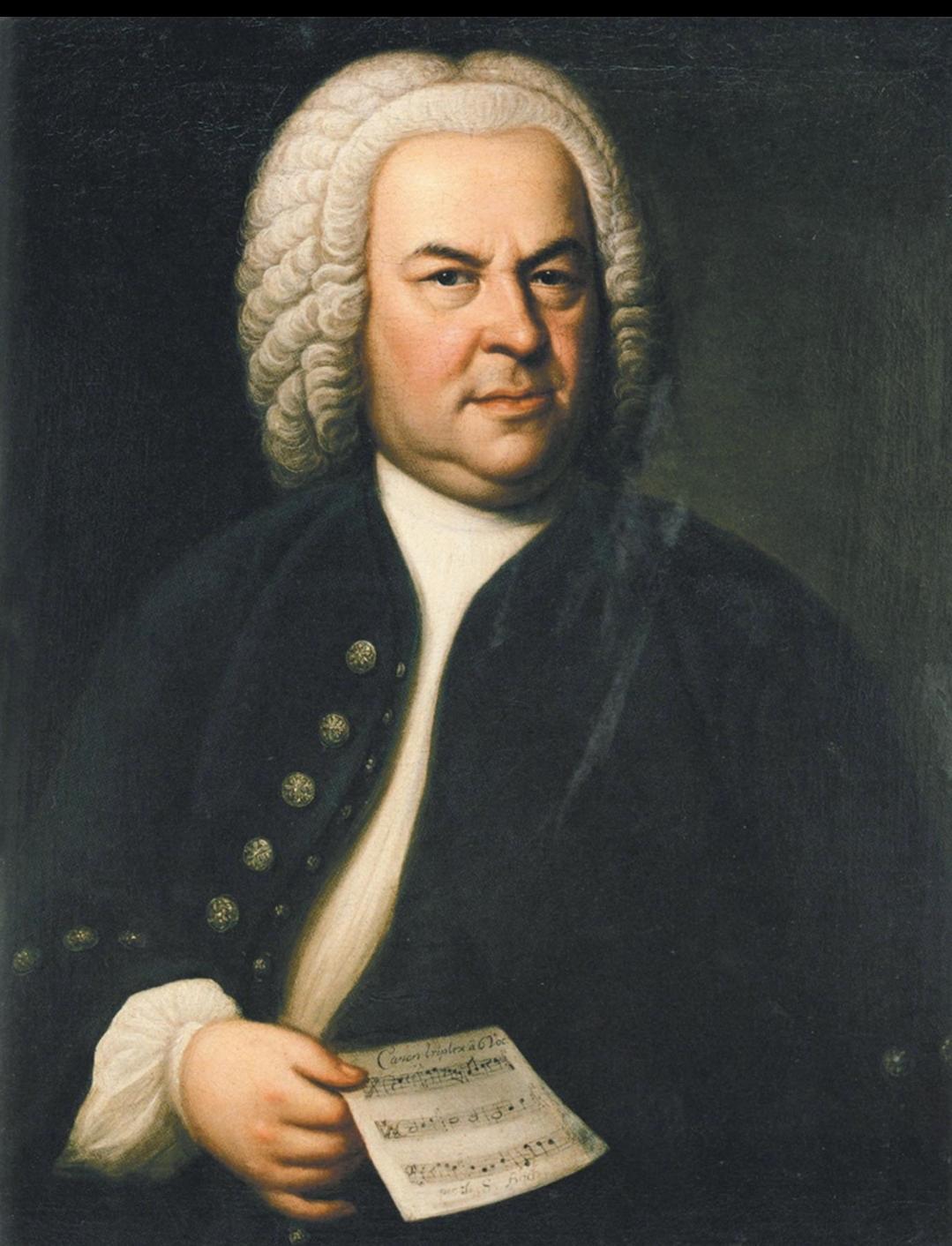
More than 275 years after his death, Johann Sebastian Bach remains a subject of admiration and debate. This week, the German composer found himself at the centre of a fresh online conversation after billionaire entrepreneur Elon Musk declared him the “Shakespeare of music” and the greatest musician of all time.
Johann Sebastian Bach is the Shakespeare of music. Best there ever was
Musk wrote in a post on X.
The statement drew reactions from admirers who celebrated Bach’s enduring influence and others who questioned whether his achievements could be compared with those of William Shakespeare.
Beyond the online debate lies a bigger question: what makes an artist timeless? Is it technical mastery, emotional depth, cultural influence or the ability to connect with audiences across generations?
Fans Weigh In
The responses to Musk’s post revealed different ways of understanding artistic greatness.
One X user, @TheStockSurgeon, highlighted the longevity of Bach’s work, writing: “Imagine being so good at music that people are still studying your homework 300 years later.”
The comment captured an important part of Bach’s legacy: his compositions continue to be studied and performed centuries after they were created.
Another user, Amooti Innocent (@ALINAITWEI56333), challenged the comparison with Shakespeare. The user argued that Shakespeare’s characters portray complex human experiences, while Bach’s music places greater emphasis on structure and faith.
“It's beautiful architecture, but architecture doesn't bleed,” the user wrote.
The contrasting reactions reveal a longstanding tension in how people evaluate art. Some value technical mastery, complexity and structure, while others place greater emphasis on emotional expression and the ability to capture human experience.
Neither perspective settles the question of who deserves to be called the greatest. Instead, they demonstrate how artistic achievement can be measured in different ways.
A Legacy That Outlived Its Creator
Born in 1685, Johann Sebastian Bach was a German composer whose work became one of the defining contributions to Baroque music. More than 275 years after his death in 1750, his compositions continue to be performed, studied and celebrated around the world.
Among his best known works are the Brandenburg Concertos, The Well Tempered Clavier and the Cello Suites. His music is renowned for its intricate structures, rich harmonies and the interplay of independent melodies.
Bach’s influence extends beyond concert halls and music classrooms. His compositions have helped shape the development and teaching of Western classical music, influencing generations of composers and performers.
His enduring reputation demonstrates that an artist’s cultural significance does not necessarily end with their lifetime. Through continued performance, study and reinterpretation, creative work can remain relevant long after the world in which it was produced has changed.
What Does It Mean to Be the Greatest?
Musk’s comparison between Bach and Shakespeare brings together two creative figures whose influence has endured across centuries.
Shakespeare’s plays continue to be performed, adapted and reinterpreted, while Bach’s compositions remain central to classical music performance and education. Both have produced bodies of work that continue to reach audiences long after their deaths.
Yet deciding who deserves the title of the greatest artist is far from straightforward. Greatness can mean technical mastery, originality, emotional impact, cultural influence or the ability to transform an artistic tradition.
These qualities do not always overlap. A work may be technically sophisticated without moving every listener, while a simple melody or story can leave a lasting impression without displaying the same structural complexity.
Musical taste also varies across cultures and generations. Someone whose musical experiences have been shaped by classical compositions may evaluate artistic excellence differently from a listener whose influences include hip-hop, jazz, pop or Afrobeats.
That does not necessarily diminish any artist's achievements. It reflects the different ways people connect with music and interpret its value.
Perhaps the more useful question is not whether Bach was objectively the greatest musician who ever lived, but what his continued relevance reveals about the qualities that allow art to endure.
Can Recognition Keep an Artist Relevant?
Musk’s statement also highlights the relationship between public influence and cultural visibility.
When a prominent figure expresses admiration for an artist, the attention can encourage audiences to explore work they might not otherwise have encountered. A comment from a technology entrepreneur can introduce social media users to a composer whose career predates recorded music by centuries.
But renewed attention and lasting artistic value are not the same thing. Public recognition may introduce an artist to new audiences, but it cannot, on its own, explain why the work has endured.
Bach’s legacy was built over generations through the efforts of musicians, scholars, performers and listeners who continued to preserve, study and appreciate his compositions. Musk’s declaration adds another contribution to an ongoing conversation about that legacy; it did not create it.
The same principle applies beyond classical music. Artists across genres can find their work rediscovered by new audiences, reinterpreted in different cultural settings or appreciated long after the popularity of their contemporaries has faded.
In an entertainment landscape driven by rapidly changing trends and viral moments, the continued appreciation of older works offers a different measure of cultural relevance: the ability to remain meaningful long after the initial moment of creation.
The Test of Time
There may never be a universal agreement on who deserves to be called the greatest musician, writer or artist. Art is too varied, and the experiences people bring to it are too different, for a single ranking to satisfy everyone.
But longevity offers one meaningful measure of artistic significance. When people continue to perform, study, debate and reinterpret a creator's work centuries later, that work has achieved something beyond temporary popularity.
Bach's music has survived changing tastes, generations and musical traditions. Shakespeare's plays have done the same in literature and theatre. Their continued presence does not mean every person must admire them or that no contemporary artist can equal their achievements.
It means their work has continued to offer something worth returning to.
Musk's declaration may have reignited the debate, but the larger question remains open. Perhaps an artist becomes timeless not simply by being declared the greatest, but by creating work that gives each new generation a reason to listen, read, question and discover something of its own.
Read our editorial standards and corrections policy.