
Nigeria's Electricity Decentralisation: Can State Governments Fix the Power Crisis?
While the 2023 Electricity Act finally broke the federal government’s monopoly over power generation and distribution, giving states legal authority is only the starting line; without regulatory discipline, technical expertise, and investor trust, decentralizing the power sector risks simply moving Nigeria’s electricity dysfunction from the federal capital to state capitals.
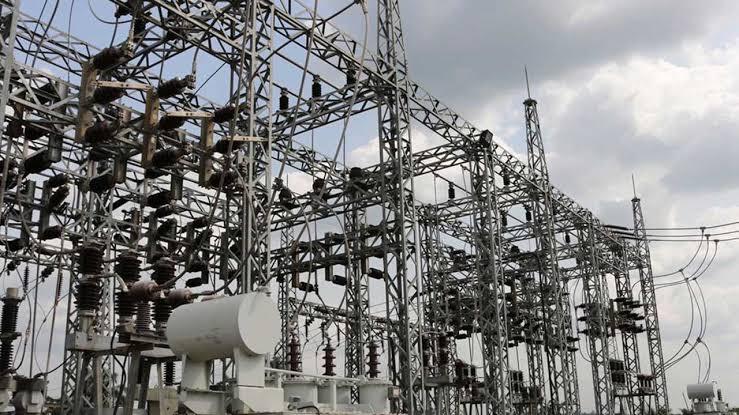
For millions of Nigerians, unreliable electricity remains part of everyday life. Businesses spend heavily on alternative power, households contend with prolonged outages, and industries struggle with the cost of maintaining operations without a dependable national supply.
Nigeria's electricity crisis has traditionally been managed through a largely centralised framework. However, the Electricity Act 2023 introduced a major change by allowing state governments to establish and regulate electricity markets within their territories.
The reform creates an opportunity for states to develop solutions that reflect their individual energy needs rather than depending entirely on the national electricity market. But transferring regulatory authority does not automatically translate into more electricity.
The central question is whether state governments have the financial resources, technical expertise and institutional discipline required to turn their new powers into reliable electricity for residents and businesses.
What Changed Under the Electricity Act 2023?
Before the reform, electricity regulation was largely concentrated at the federal level, with the Nigerian Electricity Regulatory Commission (NERC) overseeing the national electricity market.
The Electricity Act 2023 changed this arrangement by providing a legal framework for states to establish their own electricity markets and regulatory authorities. It also allows them to oversee electricity generation, transmission and distribution within their territories, subject to the applicable constitutional and regulatory requirements.
The constitutional amendment signed in March 2023 removed the previous restrictions that limited state legislative authority over electricity to areas not covered by the national grid.
This means states can now develop electricity markets that operate independently of the traditional national framework, including arrangements involving private power producers and distribution companies.
Several states have begun implementing the reform. Ondo and Enugu, for example, have established electricity regulatory commissions and assumed regulatory responsibilities from NERC within their respective jurisdictions.
For residents, the change also introduces a different level of accountability. State governments now have greater responsibility for shaping electricity markets within their territories, creating more opportunities to question their performance when supply remains unreliable.
Why Decentralising Electricity Matters
One of the biggest advantages of decentralisation is that states can pursue solutions suited to their geographical, economic and energy requirements.
A state with significant commercial activity may prioritise reliable electricity for industrial clusters, while communities with limited access to the national grid may benefit from smaller, independently operated power systems.
States can also explore different energy sources, including solar, natural gas and hydropower, depending on their available resources and infrastructure.
This creates opportunities for private investors to develop electricity projects without relying exclusively on the traditional national electricity supply arrangement.
For businesses, locally developed electricity markets could provide alternative sources of power and potentially reduce dependence on expensive diesel and petrol generators.
There is also an opportunity to improve electricity access in underserved communities. Mini-grids and embedded generation projects can supply areas where extending conventional electricity infrastructure is expensive or technically difficult.
However, these benefits depend on whether states can create electricity markets that are commercially sustainable and properly regulated.
The Financial Challenge: Who Pays for Electricity?
One of the biggest obstacles facing state electricity markets is financing.
Generating and distributing electricity requires substantial investment in infrastructure, equipment, maintenance and operations. Private investors will generally expect to recover these costs and earn reasonable returns.
This creates a difficult balance for state governments.
Electricity tariffs must be sufficient to support the cost of supplying power, but higher prices can place additional pressure on households and businesses already dealing with rising living expenses.
Keeping tariffs artificially low may discourage investors if electricity providers cannot recover their costs. On the other hand, subsidising electricity could become expensive for state governments, particularly those with limited revenue and competing development priorities.
States must therefore develop realistic tariff structures, transparent subsidy arrangements where necessary and clear payment systems.
Without financial discipline, independently regulated electricity markets could struggle to attract the investment required to improve supply.
Can States Build Strong Electricity Regulators?
Another challenge is institutional capacity.
Establishing a state electricity regulatory commission is an important first step, but effective regulation requires more than creating an agency and appointing commissioners.
Electricity markets involve complicated technical, financial and legal arrangements. Regulators must understand tariff determination, licensing, market competition, consumer protection, electricity trading and infrastructure standards.
They must also be sufficiently independent to make decisions based on market realities rather than political pressure.
If regulatory appointments are driven primarily by political considerations, investors may question whether licensing decisions, tariffs and market rules will remain consistent.
This could undermine confidence in state electricity markets before major investments even begin.
States therefore need to invest in recruiting qualified professionals, strengthening regulatory institutions and establishing transparent procedures that protect both consumers and investors.
The Infrastructure Problem Does Not Disappear
Even if a state successfully attracts investors to generate electricity, another problem remains: delivering that electricity to consumers.
Power generation is only one part of the electricity supply chain. Electricity must also be transmitted and distributed before it reaches homes, offices and factories.
Many states will continue to depend on existing transmission infrastructure and distribution networks, including facilities operated by electricity distribution companies.
These networks face challenges involving inadequate investment, ageing equipment, technical losses, electricity theft and insufficient metering.
A state may successfully establish a local power generation project but still struggle to deliver electricity reliably if the distribution network cannot handle the additional supply.
This makes coordination between state regulators, distribution companies, transmission operators and private power producers essential.
The reform must therefore go beyond encouraging electricity generation. States also need credible plans for improving distribution infrastructure, expanding metering and reducing commercial and technical losses.
What Should Nigerians Expect?
Electricity decentralisation offers state governments an opportunity to take greater responsibility for a problem that has affected households and businesses for decades.
However, its success should not be measured by the number of electricity laws passed, regulatory commissions established or investment announcements made.
The more important indicators are whether new projects become operational, whether electricity supply becomes more reliable, whether businesses spend less on alternative power and whether consumers receive better services.
State governments must also demonstrate that their electricity markets can attract long-term investment without imposing unsustainable costs on residents.
For Nigeria, the reform represents a shift in how electricity governance is organised. But decentralising responsibility is not the same as solving the electricity crisis.
The real test will be whether state governments can translate their expanded legal powers into functioning electricity markets that deliver measurable improvements to people's lives.
Read our editorial standards and corrections policy.