
Electoral Trust and Pre Election Volatility: Nigerias Road to 2027
Ahead of Nigeria’s 2027 elections, new survey data shows that widespread fears of vote buying, campaign violence, and uncounted votes threaten to eclipse strong voter enthusiasm and recent government security directives.
The Growing Concern of Electoral Confidence
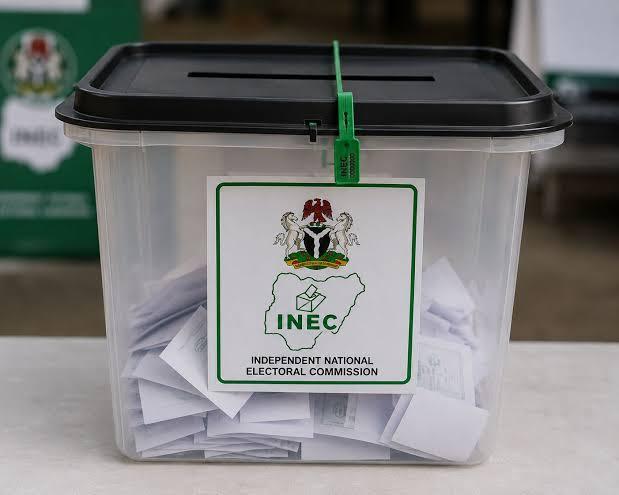
While the presidency is issuing stern warnings and calling on security agencies to clamp down on political thugs, fresh data released last week shows that nearly nine out of ten Nigerians expect vote buying in the 2027 elections, while almost eight in ten fear political violence and the possibility of their votes not being counted.
President Bola Tinubu in a statement released last week has expressed his displeasure in those who disrupt public order and has called on the security agencies to clamp down on political thugs. In the statement the president says “Security agencies are therefore authorized to confront thuggery and other anti-social and anti- democratic activities with full force”. Despite this step that has been taken by the president, a fresh data released last week reveals deep skepticism ahead of the 2027 polls where almost 79% of people expect political violence, amongst other concerns.
Voter Participation Amid Growing Distrust
Nigerians are deeply cynical but they aren't apathetic. According to the Afrobarometer survey, 64% of citizens still intend to vote, and 92% of them say policy issues matter most. This suggests that public trusts may be low but civic duties and hope makes people want to participate. But despite wanting to vote on policies, 87% expect vote buying and 78% expect violence on uncounted votes. This survey Shows that when people want change but expect the system to be rigged or bought , voters lose hope.
Political Violence and CAMPAIGN Safety
Cynicism isn’t coming out of nowhere, the early warning signs are already playing out on the
Campaign trail. On November 4th, the convoy of the Nigerian Democratic Presidential candidate, Mr Peter obi was attacked in Calabar, Cross River state. On Thursday November 12, Suspected thugs invaded an NDC town hall meeting in Lagos state, amongst other cases. These incidents raises questions about political campaigns and the ability for people to engage in electoral activities without fear of being intimidated. When supporters cannot attend political gatherings without fearing for their safety some may choose to withdraw from such activity, prioritizing their security over political participation. This also goes beyond campaign activities where persistent incidents of political violence could also undermine voter confidence in their safety during electoral process. Meanwhile President Bola Tinbu's recent State House directive have ordered security agencies to confront political thuggery "With full force”. The statement also reads that politicians are rivals not enemies.
Electoral Transmission and the Question of Trust
People are deeply concerned about whether their votes will be counted fairly once voting ends. In response to these concerns section 60 (3) of the Electoral Act 2026 provides for the electronic transmission of results to the IREV portal after Form EC8A has been signed and stamped by the presiding officer. However, the law also states that where communication failure makes transmission impossible, the signed and stamped Form EC8A remains the primary source of collation and declaration of results. This concern was partly generated by the 2023 general election when INEC experienced technical difficulties uploading presidential election results to the IReV portal. Yet many Nigerians fear that technology alone cannot fix a broken trust in the electoral system.
Nigeria's 2027 election isn’t threatened by political apathy, but it is threatened by a collapse in trust. In order for voters to believe in the outcome, security agencies must prove President Tinubu's directive in real by arresting and prosecuting political thugs and INEC must ensure absolute transparency with their technology and communication to remove fear of past collation disputes. Democracy survives when citizens believe their voices actually count.
Read our editorial standards and corrections policy.