
FAA Lifts Nationwide Ground Stop After US Flights Were Temporarily Halted
A telecommunications outage forced the FAA to temporarily halt flights across the United States for more than four hours. The disruption has renewed concerns about ageing air traffic control infrastructure and the need for major investment.
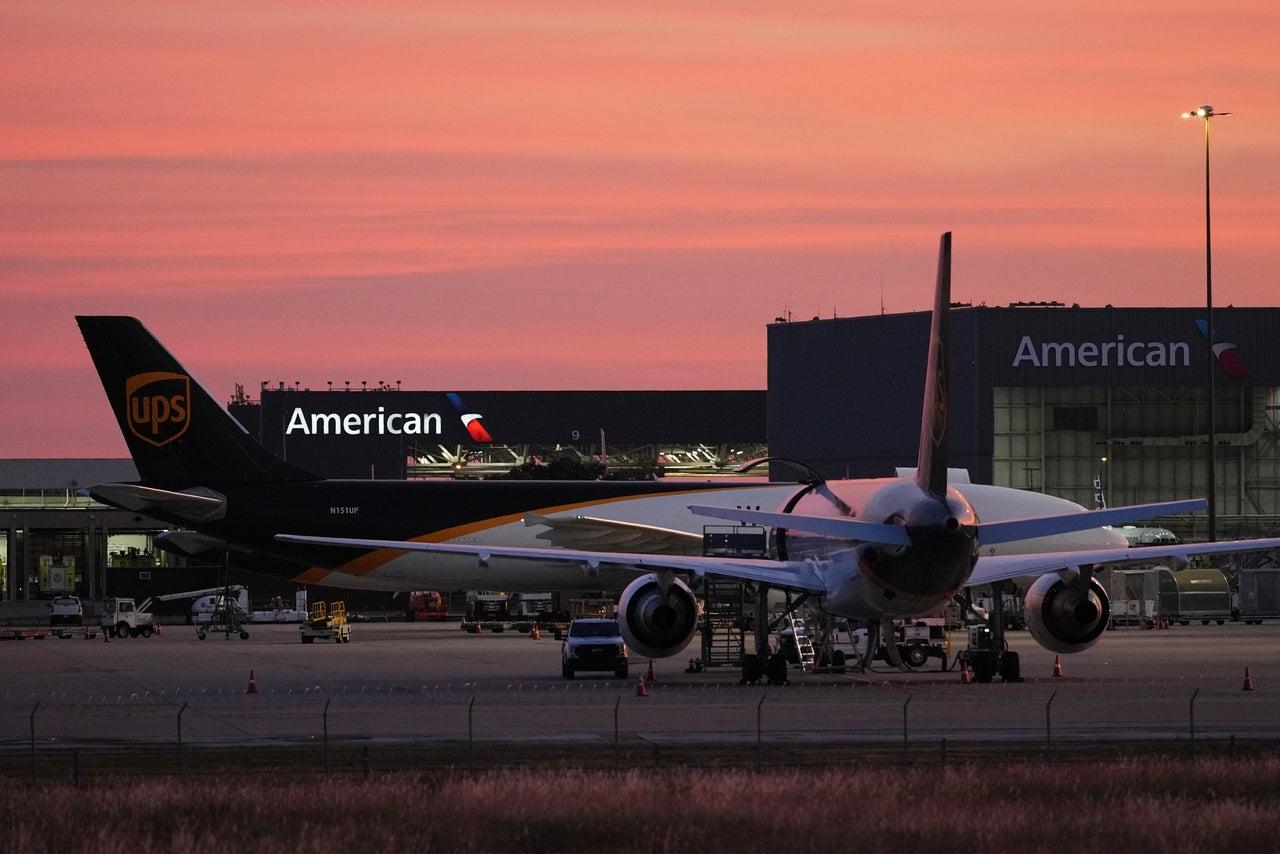
The Federal Aviation Administration (FAA) temporarily halted flights across the United States for more than four hours on Friday, November 13, following a telecommunications outage that affected the country's air traffic control infrastructure. The incident disrupted thousands of flights and renewed calls for investment in modernising America's ageing aviation systems.
The FAA issued the nationwide ground stop as a precaution to protect the travelling public. While domestic flights were affected, the agency said international flights would be handled on a “case-by-case basis”.
The arrangements were intended to ensure the safety of passengers while the agency assessed the situation.
FLIGHTS GRADUALLY RESUME AFTER SYSTEM TESTS
The precautionary ground stop was announced in a post on the FAA's official X account. Several hours later, the agency announced that it was gradually lifting the restriction and allowing some flights to resume.
The decision followed tests of its aviation systems to establish that operations were stable and reliable. Passengers were advised to contact their airlines for updates on their flights.
The ground stop was fully lifted at approximately 8:15 p.m. Eastern Time on Friday, November 13, about four hours after it began.
However, the disruption continued to affect air travel across the country. Thousands of flights were cancelled, while more than 15,000 flights were reportedly disrupted. Airlines faced difficulties repositioning aircraft and flight crews, while major airports in New York, Chicago, Atlanta, Dallas and Los Angeles experienced significant disruption. The effects could continue throughout the weekend.
FAA BLAMES OUTDATED INFRASTRUCTURE
At a White House press conference, Transportation Secretary Sean Duffy attributed the incident to instability in the air traffic control system.
According to his explanation, air traffic control centres experienced radar and communication instability caused by overloaded routers and outdated telecommunications infrastructure, resulting in inconsistent data.
Duffy said the FAA would conduct further investigations into the incident.
The presence of Homeland Security Secretary Markwayne Mullin alongside Duffy at the press conference also raised questions about possible cybersecurity and national security threats. However, during an update at the Department of Transportation on Saturday, November 14, Duffy dismissed the possibility that the disruption was caused by a cyberattack.
"This was an FAA system that didn't meet the moment," Duffy said.
CALLS FOR $50 BILLION MODERNISATION INVESTMENT
The incident has strengthened calls for substantial investment in modernising America's ageing air traffic control infrastructure.
Duffy is requesting $50 billion from Congress for the modernisation effort, in addition to the $12.5 billion already received in the previous month for improvements to the country's air traffic control systems.
He urged Congress to work with the FAA, the Department of Transportation and President Donald Trump, arguing that modernising the aviation system should not become a political dispute between Democrats and Republicans.
FAA'S NEW AI AIRSPACE SYSTEM
The disruption comes days after the FAA announced that it was rolling out a new artificial intelligence tool known as the Strategic Management Airways Routing System (SMART).
The system is intended to support airspace management and improve how aircraft are routed through the national airspace.
The timing of the two developments has drawn attention to the challenges facing the country's aviation infrastructure. While new technologies could improve efficiency, the recent disruption highlights the importance of maintaining the underlying telecommunications and air traffic control systems on which aviation operations depend.
WHAT THE INCIDENT MEANS FOR US AVIATION
The nationwide ground stop has exposed vulnerabilities in America's aviation infrastructure and raised questions about why a country with one of the world's largest aviation industries continues to depend on ageing air traffic control technology.
Beyond the immediate flight cancellations and delays, the incident highlights the wider consequences of infrastructure failures in a system that supports millions of passengers and extensive commercial activity.
The proposed $50 billion investment could provide an opportunity to address some of these weaknesses. However, the FAA's investigation and the progress of its modernisation programme will be important in determining whether similar disruptions can be prevented in the future.
Read our editorial standards and corrections policy.