
UK and EU Reach Landmark Post-Brexit Deal on Trade and Youth Mobility
The agreement will ease trade barriers, create opportunities for 200,000 young people annually and deepen cooperation on security, energy and technology, although major parts of the package will not take effect immediately.
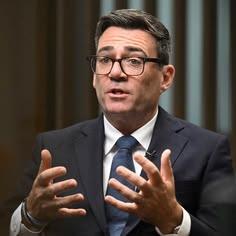
The United Kingdom and the European Union have agreed on a new package of measures to strengthen their relationship, reduce trade barriers and expand opportunities for young people, marking a significant step towards rebuilding ties strained by Brexit.
The agreement was reached at the second UK-EU summit in Brussels on Friday, November 20, 2026, following negotiations led by UK Prime Minister Andy Burnham and European leaders.
The package includes a new Youth Experience Scheme, changes to food and agricultural trade, plans to link carbon emissions markets and closer cooperation on security, migration and digital technology.
The UK government estimates that the agreements could increase the country's gross domestic product by up to 0.5 per cent by 2040, equivalent to approximately £17 billion annually.
New Youth Mobility Scheme to Cover 200,000 People Annually
One of the most significant parts of the agreement is the Youth Experience Scheme, which will allow young people aged 18 to 31 from the UK and EU to live in each other's territories for up to three years.
The scheme will provide opportunities to work, study, volunteer, participate in au-pair arrangements or travel. It will cover up to 100,000 young people from each side every year.
Unlike the previous freedom of movement arrangement, participation will be subject to age and time limits, as well as immigration conditions. Participants will not have access to benefits in their host territories or the right to bring dependants.
The arrangement is expected to become operational no later than 2028, with the first participants expected to travel by January 2030.
The agreement also provides for UK participation in the EU's Erasmus+ programme from 2027, restoring opportunities for student exchanges, academic cooperation and training activities.
However, questions surrounding university tuition fees remain unresolved. Both sides have agreed to negotiate a separate arrangement covering fees for UK students in the EU and EU students in the UK, with a target of concluding discussions within six months.
UK and EU Move to Remove Trade Barriers
The agreement also seeks to reduce the cost and administrative burden of trading agricultural and food products between the UK and EU.
Since Brexit, businesses have faced additional border checks, certification requirements and paperwork when moving certain products between the two markets.
Under the new sanitary and phytosanitary agreement, the two sides will establish a common regulatory area for food, agricultural goods, animals and plants.
The changes are expected to remove many export health certificates, phytosanitary certificates and routine border inspections for products covered by the agreement.
The UK government says businesses could save up to £200 on each export health certificate, while eliminating some inspection fees and delays.
The arrangement will also reopen European markets to certain British products, including fresh sausages, burgers, Scottish seed potatoes and Welsh mussels.
The agreement is expected to take effect from March 1, 2028, subject to the completion of the necessary procedures.
Carbon Market Agreement to Protect British Exports
Another major part of the package is an agreement to link the UK's emissions trading scheme with the EU's carbon market.
The proposed arrangement, which the two sides aim to operationalise by January 2028, will allow businesses to operate within a larger linked carbon market.
It is also expected to exempt qualifying British exports from the EU's Carbon Border Adjustment Mechanism, which places a carbon-related cost on certain imported goods.
The UK government estimates that the arrangement could protect approximately £6.5 billion worth of exports, including steel and aluminium, from carbon border charges.
It could also add nearly £3.8 billion annually to the UK economy by 2040.
Closer Cooperation on Security, Migration and Technology
Beyond trade and mobility, the UK and EU have agreed to strengthen cooperation on defence, intelligence sharing and border security.
Both sides intend to work more closely to counter cyberattacks, hostile state activities and threats to critical infrastructure, while continuing their support for Ukraine.
They also agreed to improve information sharing between law enforcement and border authorities, including the exchange of biometric information, criminal records and electronic evidence.
On migration, the agreement establishes a new structured dialogue to tackle people-smuggling networks and irregular migration routes, particularly those associated with dangerous crossings of the English Channel.
The two sides also plan to establish a digital partnership early in 2027, covering areas such as artificial intelligence, quantum technology, digital infrastructure, digital credentials and online safety.
A Reset, Not a Return to EU Membership
The agreement represents one of the most significant attempts to improve UK-EU relations since Britain formally left the European Union.
However, it does not mean the UK is rejoining the bloc or restoring unrestricted freedom of movement.
The Burnham government has maintained its position against rejoining the EU, the customs union or the single market. Instead, the new arrangements seek to reduce some of the economic and practical difficulties that emerged after Brexit while maintaining Britain's position outside the bloc.
For businesses, the agreement could mean lower trading costs and easier access to European markets. For younger people, it could restore some opportunities to live, work and study across Europe that were lost after Brexit.
Much will depend on how quickly the agreements are implemented and whether the expected economic benefits materialise. With several measures scheduled to take effect from 2028 or later, the November summit marks the beginning of a new phase in UK-EU relations rather than an immediate transformation.
Read our editorial standards and corrections policy.