
Trump Brings US-Iran War Deal to G7 as Leaders Seek Answers on Next Steps
World leaders are examining a proposed agreement after a 15-week US-Iran war, with major questions still surrounding Iran’s nuclear programme, sanctions relief, and the future of the region.
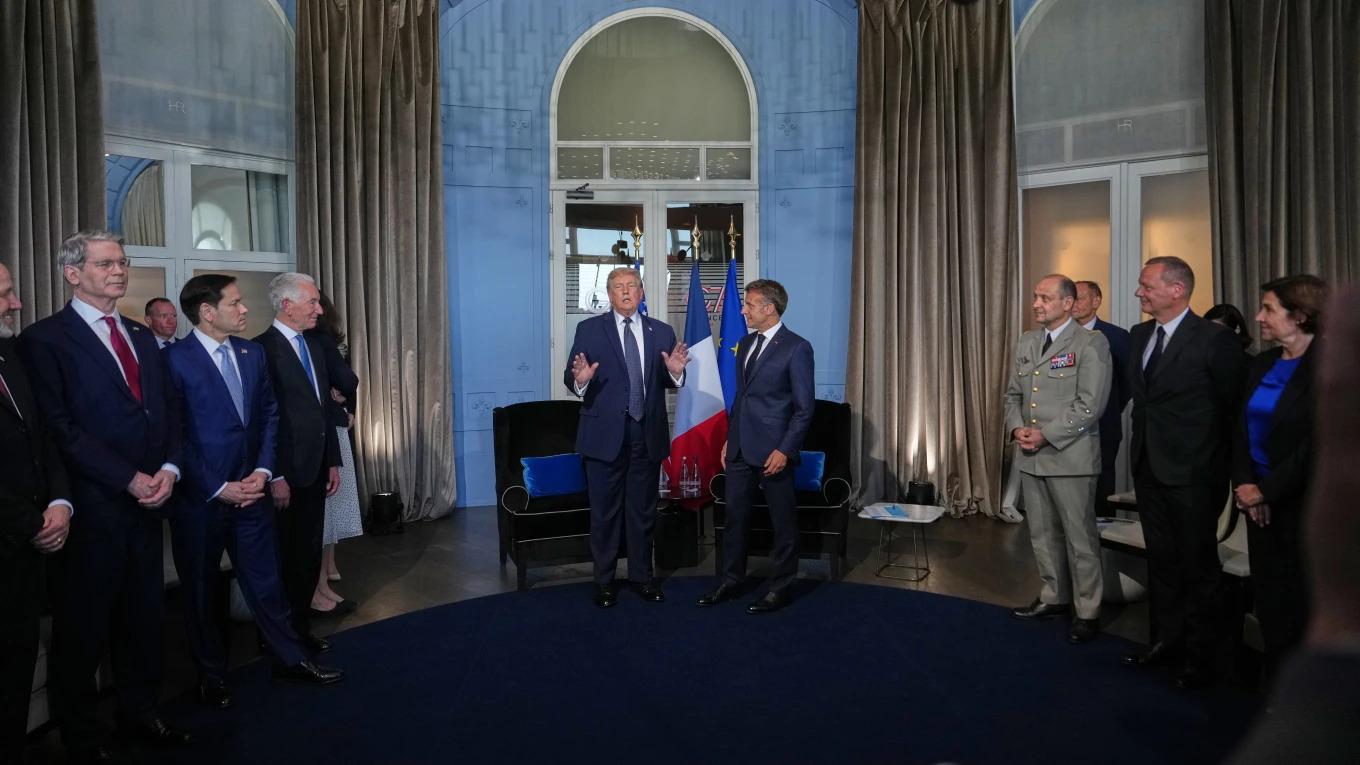
G7 leaders gathered in France as the aftermath of a 15-week US-Iran war dominated talks at the summit. US President Donald Trump arrived promoting a proposed agreement with Tehran, but European leaders are seeking more details before fully backing the plan.
The agreement is not a final peace treaty. It is a memorandum of understanding (MoU) that is expected to be formally signed in Switzerland and would begin a 60-day period of further negotiations between Washington and Tehran.
A deal after weeks of fighting
The proposed deal comes after months of rising tensions that turned into a major military conflict between the United States and Iran. The fighting affected regional security, disrupted the Strait of Hormuz, and increased pressure on global energy markets.
Under the framework announced by both sides, the agreement aims to extend a ceasefire, reopen the Strait of Hormuz, and create a path toward longer-term talks. However, several major issues remain unresolved.
The most sensitive issue is Iran’s nuclear programme. Negotiations are expected to focus on limits around nuclear activities, verification measures, and whether Iran can receive sanctions relief in return for commitments.
G7 leaders demand clarity
European leaders at the summit have welcomed the possibility of an end to the conflict, but are pushing for more information about what was actually agreed. The full text of the memorandum has not been publicly released, adding to uncertainty around the deal.
Questions remain over whether Iranian assets will be unfrozen, how sanctions relief would work, and what guarantees exist to ensure the agreement lasts. The issue has become a major test for Trump’s claim that the deal represents a turning point in the region.
Hormuz and global security concerns
The Strait of Hormuz remains a key focus for world leaders because of its importance to global oil and shipping routes. The agreement reportedly includes steps toward reopening the passage after disruptions linked to the war.
However, officials remain cautious. The ceasefire and negotiations are still in an early stage, and the next 60 days are expected to determine whether the framework can become a lasting settlement.
A difficult road ahead
The G7 summit has become less about celebrating a finished peace deal and more about examining whether the proposed agreement can survive the next phase of negotiations.
For now, world leaders are watching closely as the United States and Iran move from battlefield confrontation toward diplomacy, with major questions still unanswered.