Nigeria’s Counterfeit Goods Problem: How to Spot Fake Products and Stay Safe
Viral videos have renewed concerns over counterfeit and adulterated goods in Nigeria. From checking labels to verifying registration details, here is what consumers need to know about the risks, the evidence and how to protect themselves.
Regulators have flagged suspected counterfeit baby cereal and medicines, and a wave of viral videos has shoppers asking whether the label can still be believed. Nobody pauses over a tin of baby cereal. It goes into the basket with the rice and the sugar, and a few hours later it is in a child's bowl.
That ordinary moment now carries a question many Nigerians never used to ask: Is this the real thing?
The question has grown louder as social-media videos allege that fake and adulterated goods, from toothpaste to food to medicines, are reaching shelves. Not every claim online has been verified, and some may never be. But the worry is not just internet noise. Federal regulators have issued formal warnings of their own, and together they paint a picture every shopper, parent and patient should understand.
What Nigeria's regulators have reported
On March 12, 2026, the National Agency for Food and Drug Administration and Control (NAFDAC) issued a public alert about suspected counterfeit and unregistered Cerelac Mixed Fruits and Wheat on sale in Lagos. The agency reported two troubling details: a possibly altered expiry date and an odour suggesting the product had been in contact with fuel.
In July, NAFDAC warned of suspected counterfeit medicines imitating the Forxiga brand, a prescription medicine. For patients on long-term treatment, a pack that looks right but does not work is not an inconvenience. It is a risk to their health.
In August, the Federal Competition and Consumer Protection Commission (FCCPC) cautioned that some manufactured goods carry misleading information or leave out basic details, including production and expiry dates, batch numbers, ingredients and manufacturer information. That is the very information a buyer needs to judge whether a product is safe and traceable.
In September, The PUNCH reported that NAFDAC's Director of Investigation and Enforcement said investigators had found counterfeiters setting up production and distribution operations inside Nigeria. According to the agency's leadership, fake and substandard products worth more than ₦1.54 trillion have been seized or destroyed since 2023.
That last figure needs care. It measures what has been taken off the market, not how much fake product is still on sale. It shows enforcement activity, and the scale of what enforcers say they are up against, but it is not a count of fakes in circulation.
Fake, adulterated or substandard: What is the difference?
The word "fake" is used loosely, but regulators and health professionals draw sharper lines. Knowing the difference helps you understand what you may be dealing with.
A counterfeit product is deliberately made or presented to deceive buyers about its identity or origin. It imitates a genuine brand, copying the colours, logo, bottle shape and label. Its contents may be entirely different from what the pack promises.
An adulterated product has been altered, contaminated or mixed with other substances that compromise its quality or safety. It may be a genuine product that was tampered with, or a poorly made one with unwanted additions.
A substandard product fails to meet the quality specifications it is required to meet. It may carry the correct brand name and still have been badly manufactured, stored or handled.
A product can fall into more than one category. A counterfeit medicine, for example, may also contain harmful substances or an insufficient quantity of its stated active ingredient.
The distinction matters because the appropriate response depends on the problem. Counterfeiting requires action against deception and unauthorised production, while substandard products may also require investigations into manufacturing, storage and quality-control failures.
For shoppers, one principle applies to all three: packaging that looks genuine does not guarantee that the contents are safe.
Why it matters beyond the wasted money
Medicines: A falsified medicine may contain the wrong ingredient, an incorrect dose or no active ingredient at all. Patients may fail to receive the treatment they need, experience harmful side effects or see their conditions worsen. Poor-quality antimicrobial medicines can also contribute to antimicrobial resistance.
Food and drinks: Contaminated products can cause illness, while undeclared ingredients may trigger dangerous allergic reactions. Infants and young children can be particularly vulnerable to unsafe food and inadequate nutrition.
Cosmetics and personal care products: Buyers may unknowingly expose their skin or bodies to harmful substances that are not disclosed on the packaging.
The financial consequences extend beyond the cost of a single purchase. Consumers may spend money on ineffective products and then incur additional medical expenses. Legitimate manufacturers and retailers can also lose revenue and customer trust when counterfeit goods compete with their products.
The World Health Organisation estimates that at least one in 10 medicines in low- and middle-income countries is substandard or falsified. Its estimate draws on more than 100 published studies involving approximately 48,000 medicine samples from 88 countries.
The WHO estimate is a global benchmark, not a measurement of the current prevalence of counterfeit medicines in Nigeria. However, it illustrates the scale of the wider challenge.
How fakes reach the shelf
The shopkeeper is rarely where the story begins, and many retailers may not know that what they stock is fake. Counterfeit goods can involve illegal production, unauthorised imports, repackaging, forged labels and long chains of importers, distributors and retailers. Every extra link in that chain is another chance for a product to be swapped, tampered with or replaced by goods from an unauthorised source.
Several pressures make the problem hard to contain:
Price pressure. When household budgets are stretched, a cheaper option is hard to resist. A low price does not mean a product is fake, since genuine discounts exist. But a price far below the normal market rate, especially on medicines, infant products or in-demand brands, deserves a closer look.
Weak traceability. Missing batch numbers, unclear manufacturer details and altered expiry dates make it harder to establish where a product came from. This is the gap the FCCPC's labelling warning points to.
Convincing imitation. As copies get better, appearance alone becomes an unreliable test.
Local production. NAFDAC's reported finding that counterfeiters are setting up operations inside Nigeria suggests the problem is not only about imports crossing the border.
Seven checks before you buy
No home test catches every fake, but these habits lower your risk.
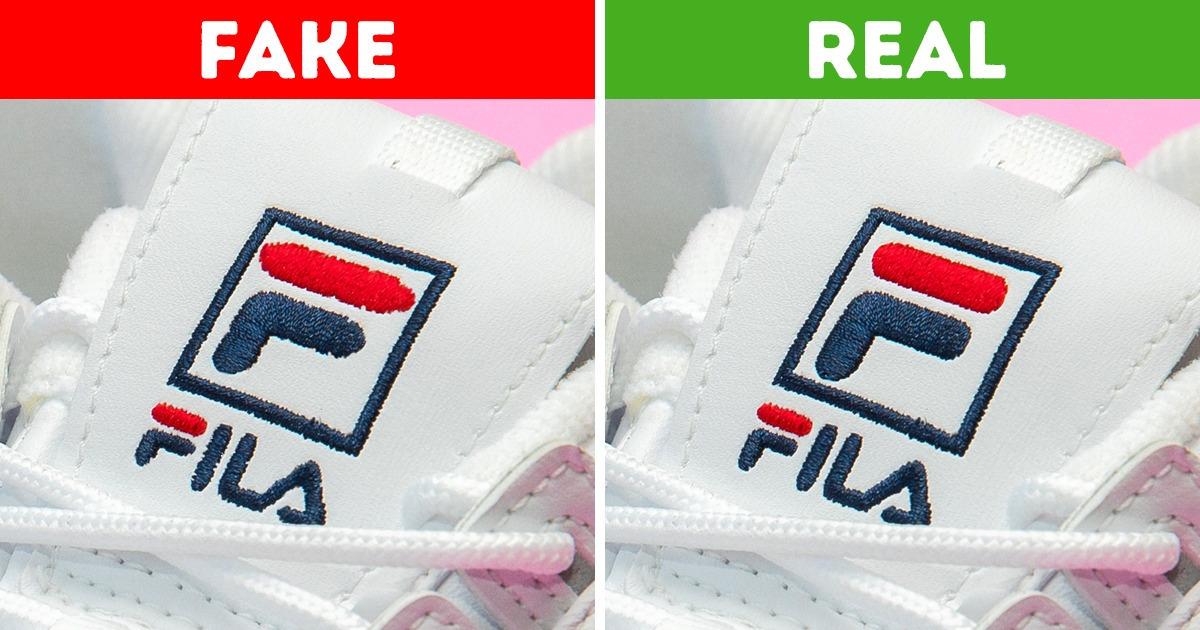
Study the packaging. Watch for spelling errors, uneven fonts, blurry print, odd colours, weak seals, damaged containers, or labels stuck over other information. Compare the pack with one you bought earlier from a trusted seller. Differences justify caution but do not prove a product is fake, because genuine products sometimes have packaging variations.
Read the dates. Check the manufacturing date, the expiry or best-before date, and the batch number. Be wary of dates that are missing, illegible, scratched out or covered by another label.
Verify registration. For NAFDAC-regulated products, search the agency's online Greenbook database, and use its stakeholder portal to verify registrations. Check that the product name and manufacturer match the official record. A registration number printed on a pack is not proof on its own, because counterfeiters can copy genuine numbers. If the details conflict, contact NAFDAC or the manufacturer before using the product.
Buy from sellers you can trace. Get medicines from licensed pharmacies and authorised distributors. Use reputable retailers for infant food and cosmetics. Be wary of anonymous social-media vendors and anyone who cannot say where their stock came from. Keep your receipt, because it helps if a complaint or recall follows.
Question bargain prices. Compare across reputable sellers. A low price combined with doubtful packaging, missing information or an untraceable seller is the real warning sign.
Trust your senses, but never taste-test. Stop using anything that looks, smells or feels different from what you bought before, including unusual colour, texture, separation or leaking. But some dangerous contaminants cannot be seen, smelled or tasted, so never try a suspected fake to see if it is real, and do not mix it with other substances. Proper testing needs a laboratory.
Follow official alerts. Check NAFDAC's recalls and alerts section for affected products, batches and recommended action. Rely on those rather than unverified messages forwarded on WhatsApp. If a product you own appears on an official warning, stop using it.
What to do if you suspect a counterfeit
Stop using it, and do not pass it on, give it to someone else or try to sell it. If it is safe to do so, keep the packaging, batch number and receipt, and photograph the label without handling the product more than necessary. Report suspected regulated products to NAFDAC on its consumer complaint line, 0800-1-623322, and check the agency's website for the right reporting route. Misleading or non-compliant consumer goods can also be reported to the FCCPC through its official complaint channels.
If you feel unwell after using a product, seek medical care and tell the health worker exactly what you took.
Viral videos are warnings, not proof
Social media can help bring suspected problems to public attention, but a viral video does not automatically establish that a product or an entire brand is counterfeit.
A comparison between two packages may reveal differences, but those differences could have several explanations, including packaging changes. Establishing counterfeiting or contamination may require regulatory investigation and laboratory testing.
Sharing unverified allegations as established facts can cause unnecessary alarm and damage legitimate businesses. It can also distract attention from official warnings about specific products.
Consumers who encounter suspicious goods should document what they observed, check for official alerts and report their concerns to the relevant authorities. Where a regulator has identified a particular product or batch, sharing that official notice is more useful than circulating speculation.
Shoppers can't carry this alone
Consumer vigilance helps, but few people can detect a chemical contaminant or spot a near-perfect copy. The heavier responsibility sits elsewhere.
Regulators such as NAFDAC, the Standards Organisation of Nigeria (SON) and the FCCPC need steady surveillance, credible laboratory testing, quick public alerts and consistent enforcement. Because counterfeit goods cut across food, drugs, cosmetics and general merchandise, these agencies also need to work together rather than in silos.
Manufacturers and importers must improve traceability and secure their packaging. Distributors and retailers must verify their suppliers and act fast when a product is flagged. The justice system must ensure that people who knowingly make and distribute fakes face real consequences. Technology such as batch tracing, authentication tools and easy reporting channels can help, but only if investigation and enforcement stand behind it.
Public education also has to go beyond viral warnings. People need clear, practical guidance on how to verify products, read alerts and report suspicious goods. Regulators, manufacturers, health professionals and the media all have a part in providing it.
The test of this moment is not how many alarming videos go viral. It is whether the warnings lead to verified investigations, dangerous goods pulled from shelves and offenders held to account.
Nigerians should not have to gamble with their health to save a few naira.
Read our editorial standards and corrections policy.