
Electric Vehicles: How Technology Is Transforming Transportation
Electric vehicles are changing more than how cars are powered. Advances in batteries, charging systems and driver-assistance technology are reshaping how vehicles are built and used.
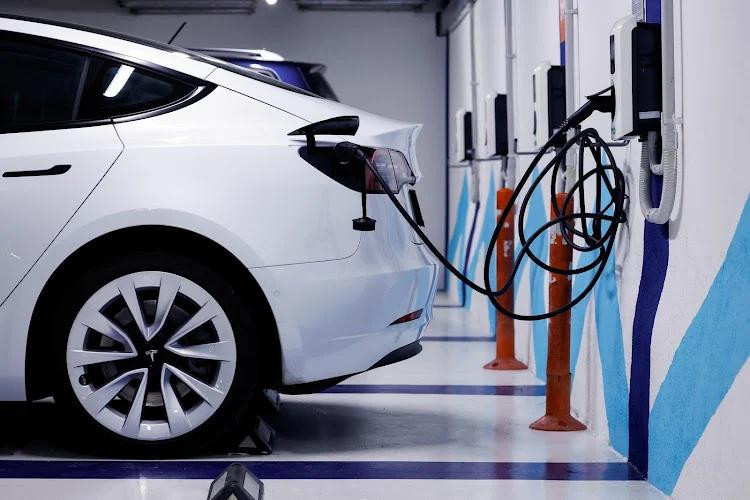
Electric vehicles (EVs) are changing the way people think about transportation.
Unlike petrol and diesel vehicles, fully electric cars use rechargeable batteries to power electric motors. But the shift from fuel to electricity is only part of the story. Improvements in battery technology, charging systems and vehicle electronics are also making EVs increasingly suited to everyday use.
As manufacturers develop more electric models and charging networks expand, these technologies are becoming an increasingly important part of modern transportation.
How electric vehicles work
An electric vehicle stores energy in a rechargeable battery. When the driver accelerates, the battery sends electricity to an electric motor, which converts that electrical energy into movement.
When the battery runs low, it can be recharged using a home charger or charging station. How long this takes depends on the vehicle, battery and type of charger being used.
Another important feature is regenerative braking. When the vehicle slows down, the system can recover some of the energy that would otherwise be lost and return it to the battery.
Unlike conventional vehicles, EVs also have fewer mechanical components involved in propulsion, which can reduce the amount of maintenance required.
How technology is changing transportation
The transformation goes beyond replacing a petrol engine with an electric motor.
Modern EVs can use cameras, sensors and computer systems to monitor their surroundings and assist drivers with tasks such as navigation and vehicle control.
This has also contributed to the development of self-driving technology. Autonomous vehicles use sensors, cameras and artificial intelligence to identify objects around them and make decisions based on what they detect.
Fully self-driving vehicles are still being developed, but some of the underlying technologies are already available through driver-assistance features in modern vehicles.
The benefits of electric vehicles
Electric vehicles can offer several advantages over conventional petrol and diesel vehicles.
Because fully electric vehicles have no tailpipe emissions while driving, they can help reduce pollution from road traffic, particularly in areas with large numbers of vehicles.
They can also be more energy efficient and generally require less mechanical maintenance than conventional vehicles.
EVs can also provide a quieter driving experience and can use electricity generated from renewable sources, potentially reducing their overall environmental impact.
The challenges are still significant
The transition to electric transportation is not without challenges.
Cost remains one consideration. Electric vehicles can have high purchase prices, which can make them less accessible to some consumers.
Charging infrastructure is another issue. An electric vehicle is much more practical when drivers have convenient access to charging, but charging networks remain limited in some areas.
Battery range and charging time can also matter, particularly for people who regularly travel long distances.
Then there is the battery itself.
EV batteries require materials such as lithium and nickel. Mining and processing these materials can have environmental consequences, while manufacturing batteries can also require significant amounts of energy.
What is the environmental impact?
Fully electric vehicles produce no tailpipe emissions while they are being driven. This can help reduce pollution from road transportation.
However, an EV still has an environmental footprint.
The battery has to be manufactured, and producing batteries requires raw materials that must be mined and processed. The electricity used to charge the vehicle also matters.
If an EV is charged using electricity generated largely from renewable sources, its overall emissions can be lower than when the electricity comes mainly from fossil fuels.
Battery recycling is another important part of the equation. How batteries are produced, used and eventually recycled will influence the broader environmental impact of electric transportation.
So, while EVs can reduce emissions from driving, they do not eliminate the environmental costs associated with transportation.
What does the future of transportation look like?
Electric vehicles are becoming more than an alternative to petrol and diesel cars.
They are part of a broader shift towards vehicles that combine electric power, advanced batteries, connectivity and increasingly automated driving technology.
For drivers, that could mean more efficient vehicles, improved charging options and greater assistance on the road.
But the transition will also depend on solving practical problems such as vehicle costs, charging infrastructure, battery production and recycling.
The future of transportation is therefore not simply about replacing petrol with electricity.
It is about building a different kind of vehicle around that change.