
Nigeria's Next Big Export Isn't Oil. It's Talent.
“Nigeria is the next frontier for global outsourcing,” says Shettima. Nigeria is betting that its young workforce can compete far beyond its borders. The worker stays in Nigeria; the work travels across the world and the laptop becomes the new export terminal.
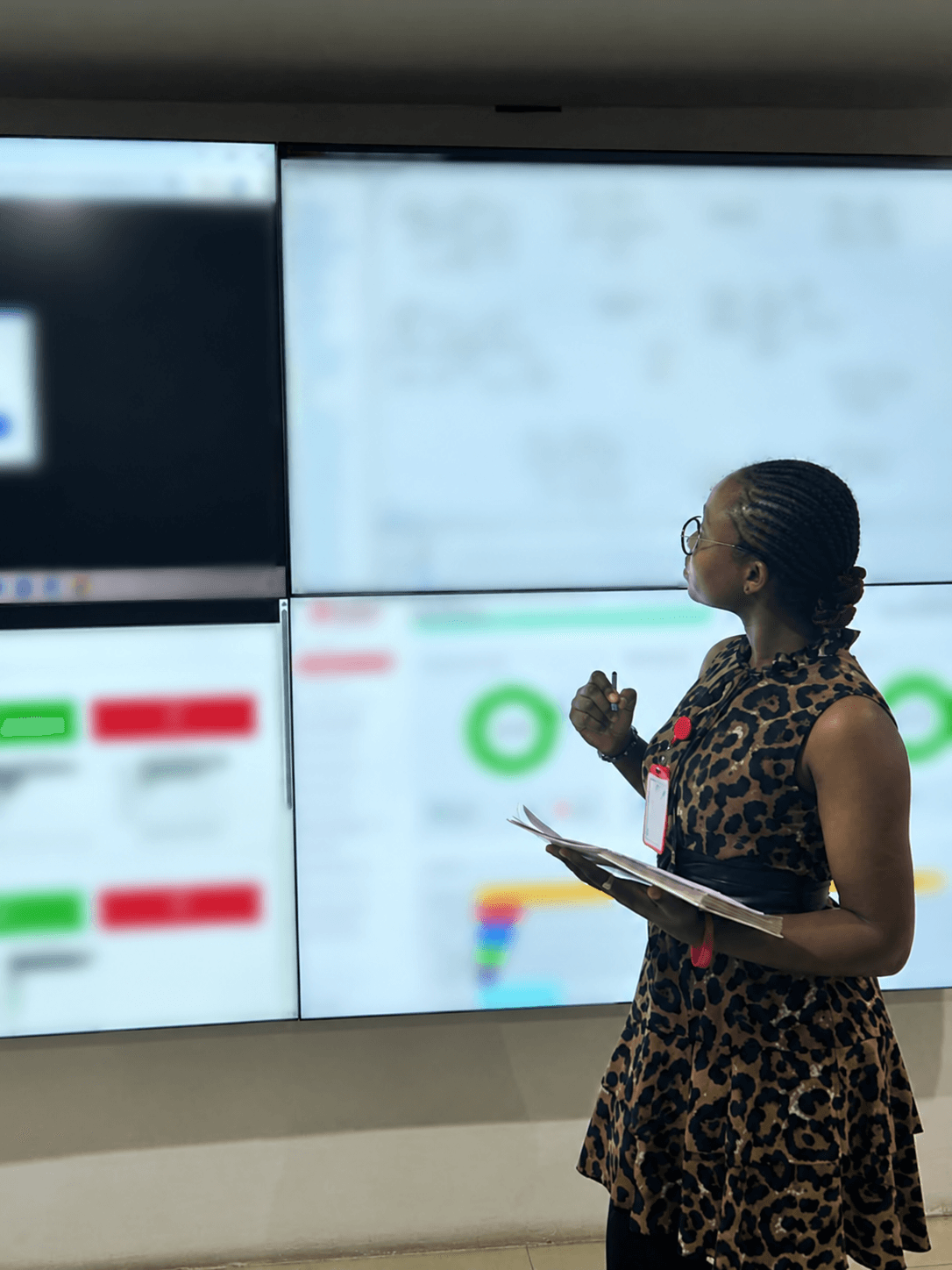
Imagine a graduate in Enugu. She has her degree, she can write and think well, and she owns a laptop. But the jobs near her are few, and the ones that exist pay little.
Now imagine a company in London or Toronto that needs someone exactly like her and can pay in pounds or dollars.
What if the two could simply work together, with no visa, no flight ticket and no leaving her family?
That is the idea Nigeria is now pushing to the world.
What is this about, in plain words?
For decades, Nigeria earned foreign money by selling things: crude oil, cocoa and other products, shipped abroad.
The new plan is to earn foreign money by selling skills. A Nigerian does the work here, on a laptop, for a customer somewhere else. The customer pays from abroad, and that money comes into Nigeria.
It's called talent export. The government's campaign for it is called Hire From Nigeria.
A different kind of export
The Federal Government's Hire from Nigeria campaign is seeking to position Nigerian professionals, digital experts, creatives, skilled workers and service providers as part of the global workforce.
The initiative, implemented alongside the National Talent Export Programme, targets one million export-linked jobs by 2030, with the broader ambition of turning Nigeria's human capital into a larger contributor to services exports, foreign exchange earnings and global trade.
The campaign has now moved beyond Abuja.
In September, Nigeria took the pitch to New York on the sidelines of the 81st United Nations General Assembly, putting Nigerian talent in front of international employers, investors and outsourcing buyers.
Vice President Kashim Shettima, speaking at the global launch, framed the opportunity in distinctly global terms.
“Nigeria is the next frontier for global outsourcing.”
He argued that while much of the industrialized world is ageing, Nigeria is producing a new generation of digitally fluent, English-speaking young people capable of serving international markets from home. Nigeria does not necessarily have to export its people to export their productivity.
From brain drain to brain circulation
For years, Nigeria's talent conversation has been about migration, with young professionals leaving for London, Toronto, New York and Dubai in search of opportunity.
Talent export offers another path. A product manager in Lagos can join a European tech company. A financial analyst in Abuja can support a Canadian firm. A software engineer in Ibadan can build for a US startup.
The worker stays. The service travels. The income comes home. For a country trying to diversify beyond commodities, that is what makes the model so interesting.
Has anyone done this before?
Yes. The Philippines is the best example. About 1.9 million Filipinos work in this kind of industry, and it earned the country over $40 billion in 2025. If you have ever called a bank or airline helpline and spoken to someone abroad, you may have met one of them.
India did something similar with software and technology work. Neither country got there overnight. Both spent years training people, fixing infrastructure and earning the trust of foreign companies.
What could stop it?
Let's be honest, because a plan is not a result:
Light and data. A worker who loses power or internet in the middle of a client meeting loses the client.
Skills. Having a degree doesn't always mean having what employers want. The skills must match real needs.
Trust. A foreign company needs to believe that a Nigerian worker will deliver on time. One bad experience can spoil the name for others.
Payments. Getting paid from abroad must be easy and safe.
AI. Computers are now doing simple jobs like basic data entry and scripted customer replies. The jobs that will last need more thinking, such as software, cybersecurity, data analysis, design, finance and specialist services.
What can you do now?
Whether or not the government hits its target, these steps help you.
Pick one skill the world pays for. Examples are coding, design, digital marketing, bookkeeping, data analysis or customer success. One skill done well beats five done badly.
Learn it properly. Free and paid courses exist, and a recognised certificate helps.
Build proof. Foreign employers trust what you can show, such as a portfolio, sample projects or past client feedback, more than what you say.
Learn to work with AI tools. They can make you faster, so treat them as a helper.
Protect yourself. Real jobs don't ask you to pay to be hired. Be careful with anyone who does, and check any programme through official channels.
The bottom line
Nigeria doesn't just want to be known for how many young people it has. It wants to be known for what those young people can do.
If it works, a young person in Enugu, Kano or Port Harcourt could earn a good living from home, and the money would stay in Nigeria.
The next Nigerian export may not leave the country. It may be something a Nigerian does.