
Made not Sold: Nigeria's Manufacturing Paradox
Nigeria's manufacturing sector had its biggest investment year yet, ₦4.54tn. But ₦2.12tn of what factories made is still sitting in warehouses. Growth that doesn't convert to sales isn't growth. It's a warning.
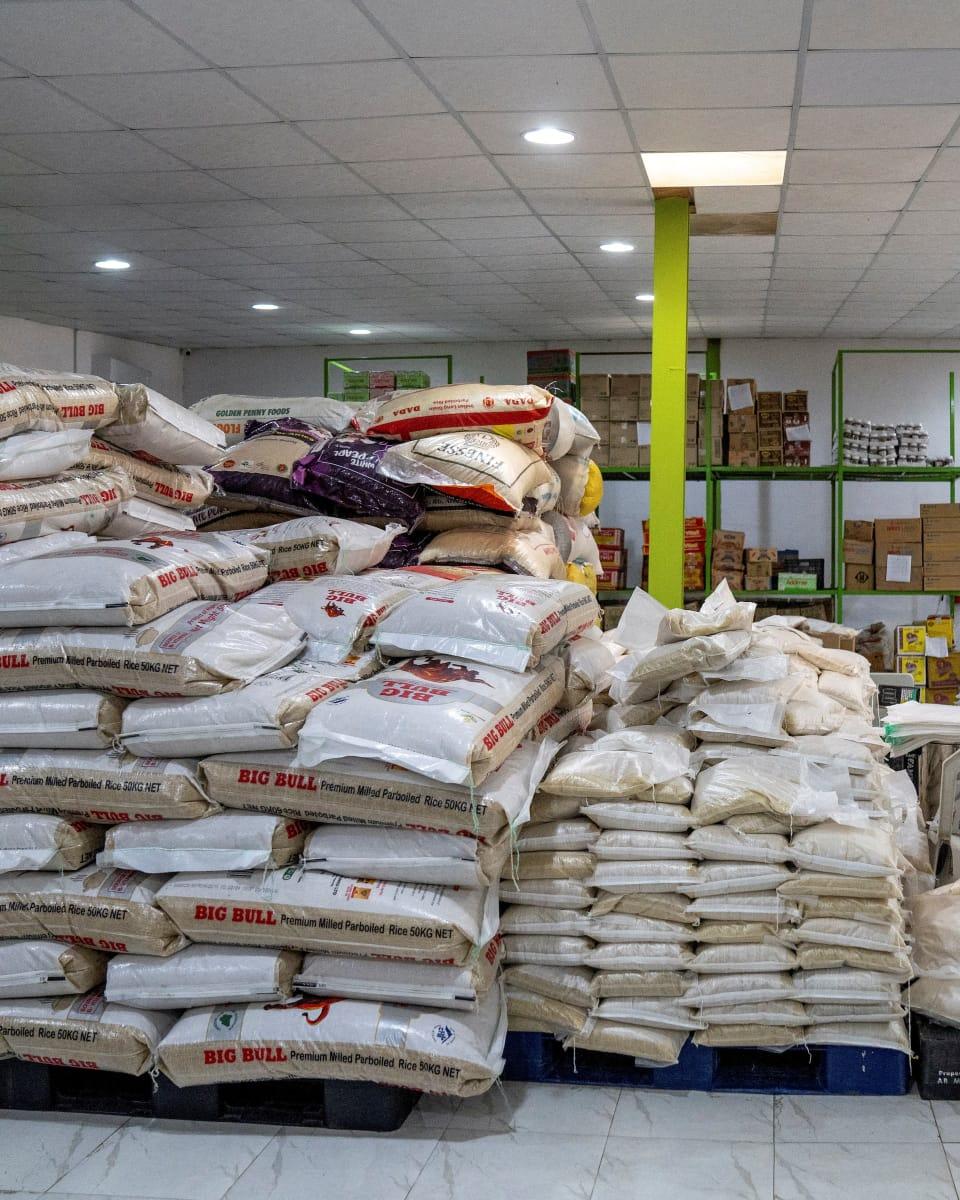
Nigerian factories are outpacing something they shouldn't, the market
Something strange is happening in Nigerian manufacturing. Factories are expanding. Companies are buying new machines. On paper, 2025 looked like a boom year, manufacturers poured a record ₦4.54 trillion into their businesses, 59% more than the year before.
But there's a catch; a huge chunk of what they made didn't sell. About ₦2.12 trillion worth of finished goods are just sitting in warehouses, unsold.
It's a bit like a baker who buys a bigger oven, hires more staff, and doubles production, only to watch bread pile up on the shelves because fewer people are buying. More capacity doesn't help much if the goods aren't moving. Everything about Nigerian manufacturing looks busy, except the sales.
The investment boom is not quite what it seems
Most of the ₦4.54 trillion investment went into machinery and equipment, particularly in food and beverage companies, followed by cement and building materials.
That sounds like a major expansion of manufacturing capacity. But inflation complicates the picture.
Because prices rose sharply, the amount of money spent on equipment also increased. After adjusting for inflation, real investment was closer to ₦1.33 trillion, while the increase in actual machinery purchased was only about 3%.
So the "investment boom" is partly an illusion created by rising prices, not a sign that factories are dramatically scaling up their real capacity.
Why unsold goods are a bigger problem than they sound
Think about everything that goes into making a product, raw materials, electricity, wages, transport, loan interest. All of that money has already left the manufacturer's pocket by the time the product is finished. The business is now just waiting to get that money back through a sale.
If the product sits in a warehouse instead of moving to a customer, the manufacturer is stuck. They still have to pay for storage. If they borrowed money to fund production, they're still paying interest, whether or not the goods have sold. Cash that should be flowing back into the business to fund the next round of production is instead frozen in unsold stock.
An economist quoted in the report warned that this kind of pile-up can push manufacturers to lean more on short-term loans just to stay afloat, digging the hole a little deeper.
So why aren't consumers buying?
This is really the heart of the issue. Nigerians are dealing with high inflation, averaging over 23% in 2025. Prices have been climbing faster than most people's incomes, which means many households simply have less money to spend, even on everyday items like food and drinks (which, not coincidentally, make up more than a third of all that unsold inventory).
This puts manufacturers in an uncomfortable bind:
Raise prices, and fewer people can afford to buy.
Keep prices low, and profit margins shrink.
Cut production, and factories sit underused.
Keep producing at full speed, and the warehouse just keeps filling up.
So how do manufacturers wriggle out of this squeeze?
Stop guessing, start listening. Let actual sales data decide production, not a spreadsheet from last December that's basically vibes at this point.
Shrink the price tag, not the customer base. Smaller packs, lower price points, meet people's wallets where they actually are right now, not where they were two inflation spikes ago.
Free up cash without begging the bank. Renegotiate payment terms with suppliers, or borrow against the stock already sitting there. Your warehouse is basically collateral at this point, use it.
Get creative with the leftovers. Bundle deals, export markets, discount retailers, clear the backlog without torching your prices in the main market. Think "clearance sale," not "fire sale."
Lobby for cheaper everything. Steadier power, easier FX access, simpler taxes, this is the boring-but-essential stuff industry groups like MAN keep knocking on government's door about. Not glamorous. Still necessary.
Stay light on your feet. Businesses that can flex production monthly, instead of committing to a rigid annual plan and praying, are the ones who don't end up drowning in unsold stock.
Bottom line: Nobody's saying produce less, just stop out-producing your customers' pockets. Close that gap, and instead of a warehouse crying with unsold goods, you'll have next year's growth story already written and already paid for.
The real takeaway
None of this means investing in factories and machinery was a mistake. Nigeria genuinely needs more production capacity. But building capacity is only half the story, the other half is whether people can actually afford to buy what gets made.
The real question manufacturers need to be asking isn't "how much can we produce?" it's "how much can people actually buy, at a price that still keeps us profitable?"
That should shape everything. How much to produce, how much stock to keep on hand, and how aggressively to expand.
Because in the end, making more stuff isn't the same as growing the economy. Growth only really happens when goods leave the shelf, cash comes back in, and that cash gets reinvested into the next cycle.