
U.S.-Canada Trade Talks Collapse: Trump Hits Canada with 50% Tariffs as Carney Vows to Retaliate
The United States has imposed new 50% tariffs on billions of dollars worth of Canadian goods after last-minute trade talks broke down, and Canada is now preparing to hit back with matching measures.
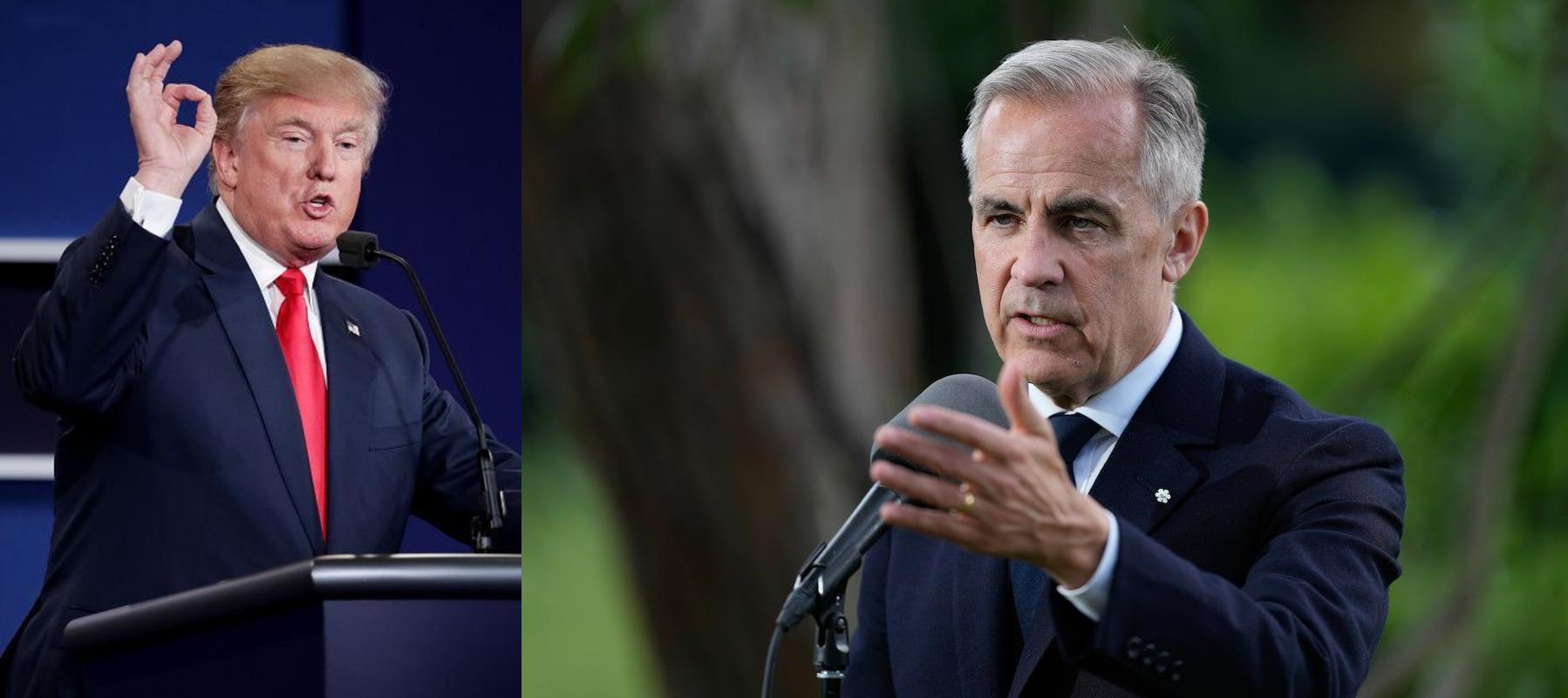
A trade deal that appeared close to completion has instead turned into a fresh confrontation between the United States and Canada.
After negotiations collapsed just before a deadline, President Donald Trump's administration allowed new 50% tariffs on about $20 billion worth of Canadian goods to take effect. Canadian Prime Minister Mark Carney responded by suspending negotiations and promising that Canada would match the U.S. tariffs dollar for dollar.
The dispute marks another sharp escalation in the economic relationship between two neighbours whose economies are deeply connected.
What caused the talks to collapse?
The breakdown came after days of negotiations and a brief period of optimism that the two countries were close to reaching an agreement.
Trump had temporarily paused the planned tariffs earlier in the week, saying a deal was within reach. But by Friday night, the negotiations had fallen apart.
Carney said the U.S. introduced last-minute terms that Canada considered unfair and economically damaging, and which raised questions about whether any agreement could be relied upon.
The U.S. gave a different account. Trade Representative Jamieson Greer said Canada had declined to finalise a deal based on terms agreed earlier and had introduced new demands and reversed previous commitments.
So, while both sides agree that the negotiations failed, they sharply disagree on who was responsible.
In very simple terms: What is happening?
The U.S. has placed a 50% tariff, essentially an import tax, on a range of Canadian products worth about $20 billion.
Canada has responded by saying it will impose equivalent tariffs on U.S. goods, with the retaliatory measures scheduled to take effect after Labour Day.
That creates a tit-for-tat trade dispute:
U.S. tariffs on Canadian goods → Canada retaliates → businesses face higher costs → consumers could eventually face higher prices.
Why does this matter?
The immediate issue is bigger than the products now being targeted.
Canada sends a large share of its exports to the United States, making access to the American market particularly important for Canadian businesses. At the same time, the two economies are closely tied through trade and supply chains.
That means tariffs introduced on one side of the border do not necessarily stay there.
Experts cited by Al Jazeera warned that higher tariffs can raise costs for businesses, with those costs often passed on to consumers through higher prices. The impact, they said, could be felt by both Canadians and Americans.
Who could be affected?
Businesses: Companies importing or exporting affected products could face higher costs.
Workers: Canada has said it plans additional measures to support workers and businesses affected by the tariffs.
Consumers: Higher costs for businesses can eventually translate into higher prices.
Both governments: The dispute adds further pressure to an already strained trade relationship.
Canada is drawing a line
Carney's response suggests that Ottawa is unwilling to accept a deal simply to avoid the immediate threat of tariffs.
Canada's government has said its broader goal is to protect tariff-free access for most Canadian businesses, reduce U.S. tariffs on key industries, support small and medium-sized businesses, and maintain Canada's independence and flexibility in future decisions.
The prime minister has also acknowledged that the relationship with the U.S. has changed and that Canada cannot simply expect a return to the previous arrangement.
That makes this dispute about more than the latest tariffs. It is also becoming a test of how far Canada is prepared to go to protect its economic interests and how far the Trump administration is willing to push its trade demands.
What happens next?
Canada's government has said its retaliatory tariffs will come into force after Labour Day, alongside further measures to support affected workers and businesses. More details are expected in the coming days.
For now, the trade negotiations have been suspended, and there is no agreement in place to prevent the latest dispute from escalating further.
In summary:
Last-minute trade talks collapse → the U.S. imposes 50% tariffs on billions of dollars in Canadian goods → Canada promises a dollar-for-dollar response → businesses and consumers on both sides could feel the economic impact.
The bigger question now is whether the two countries can return to the negotiating table before this latest tariff fight causes even deeper damage to one of North America's most important economic relationships.
Read our editorial standards and corrections policy.