
AI Data Centers: The Benefits, Costs and Challenges Behind the AI Boom
AI data centers are becoming increasingly important as demand for artificial intelligence grows, but their high energy use, operating costs and infrastructure requirements are creating new challenges.
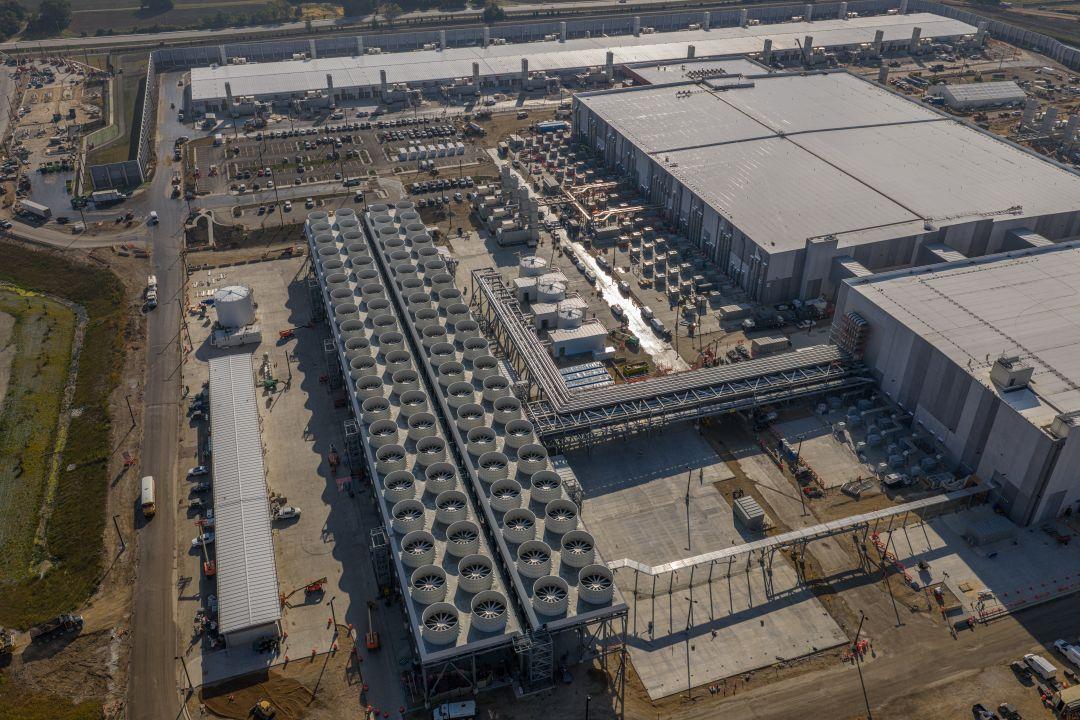
Artificial intelligence (AI) is becoming an important part of modern technology. From chatbots and recommendation systems to healthcare, finance, education and business applications, AI is increasingly being used to perform tasks and process information.
But behind many of these AI services is another important piece of technology: AI data centers.
A data center is a large facility filled with powerful computers, specialized AI chips, storage systems and networking equipment used to process and store huge amounts of data. AI data centers are built to provide the computing power needed to train and run artificial intelligence models.
As AI adoption grows, so does the demand for these facilities.
What Are AI Data Centers Used For?
AI systems require significant computing power, particularly when training and running large AI models.
Data centers provide the infrastructure needed to support applications such as:
AI assistants and chatbots
Image recognition
Automated systems
Scientific research
Data analysis
Without the computing infrastructure provided by data centers, many of these AI applications would be difficult to operate at scale.
The Benefits of AI Data Centers
Job and Economic Development
AI data centers create demand for professionals in areas such as engineering, cybersecurity, construction and technical operations.
Building these facilities can also bring investment into the communities where they are located, creating economic activity around their construction and operation.
Infrastructure Development
Data centers require substantial amounts of electricity, reliable internet connectivity and other supporting infrastructure.
Their development can encourage investment in power systems, networks and roads around the facilities. These improvements can also benefit surrounding communities and make the area more attractive to other businesses.
Support for AI Applications
Data centers provide the computing resources required for many of the AI services people and businesses increasingly depend on.
From automated systems to scientific research and data analysis, these facilities provide the infrastructure that allows AI applications to process large amounts of information.
Innovation
The growth of AI data centers can support further technological development.
As more computing resources become available, researchers and companies can develop and deploy new AI systems and applications across different industries.
The Costs of AI Data Centers
The benefits come with significant costs.
High Operating Costs
Building and maintaining an AI data center can be expensive.
The costs include land, specialized hardware, electricity, cooling systems, networking equipment and ongoing maintenance. As AI systems become more demanding, the infrastructure required to support them can also become more complex.
High Energy Consumption
One of the biggest challenges is electricity consumption.
AI systems require substantial computing power, which increases the amount of electricity needed to operate the data centers supporting them. Large facilities can place additional pressure on electricity infrastructure, particularly in areas where power supply is already limited.
This makes access to reliable and affordable electricity an important consideration when developing an AI data center.
Water Usage
Cooling is another major consideration.
Data centers generate significant amounts of heat from their computing equipment, and some cooling systems use water to help control temperatures.
This can become a concern in areas where water resources are already under pressure. Increased demand from data centers could place additional strain on local supplies, particularly in regions prone to drought.
Environmental Impact
The environmental impact of an AI data center depends partly on how the electricity used to power it is generated.
When electricity comes from fossil fuels, operating the facility can contribute to greenhouse-gas emissions. The production and eventual replacement of computer hardware also require raw materials and energy.
This means the environmental cost of AI does not end with the software. The physical infrastructure supporting it matters too.
The Challenges Facing AI Data Centers
AI data centers face several challenges beyond simply building the facilities.
Electricity is one of the biggest. Powerful AI systems require large amounts of computing power, which increases demand for electricity. Cooling systems add another layer of energy and infrastructure requirements.
Cost is another challenge. Data centers require expensive hardware, networking equipment, cooling infrastructure and regular maintenance.
There are also cybersecurity and data privacy concerns. Data centers process and store large amounts of valuable information, making security an important part of their operation.
Location can present another challenge. Developers need sites with access to reliable electricity, strong internet connectivity and adequate cooling resources. Finding all these requirements in one location can be difficult.
The Bigger Picture
AI data centers are becoming an important part of the infrastructure behind the artificial intelligence boom.
They can create jobs, attract investment, support technological innovation and provide the computing power needed for AI applications. At the same time, they can require substantial amounts of electricity, water, capital and physical infrastructure.
The challenge, therefore, is not simply building more data centers. It is finding ways to support the growing demand for AI while managing the resources and infrastructure those facilities require.
AI may be largely experienced through software, but its foundation is physical.
Behind every chatbot, automated system or AI model is computing infrastructure, and as AI becomes more powerful, the demands placed on that infrastructure will become increasingly important.