
Google's AI Boom Is Driving It Deeper Into Nuclear Power
Google has signed a 20-year nuclear power deal with Constellation Energy, securing electricity for its growing AI infrastructure while adding more low-carbon power to the US grid.
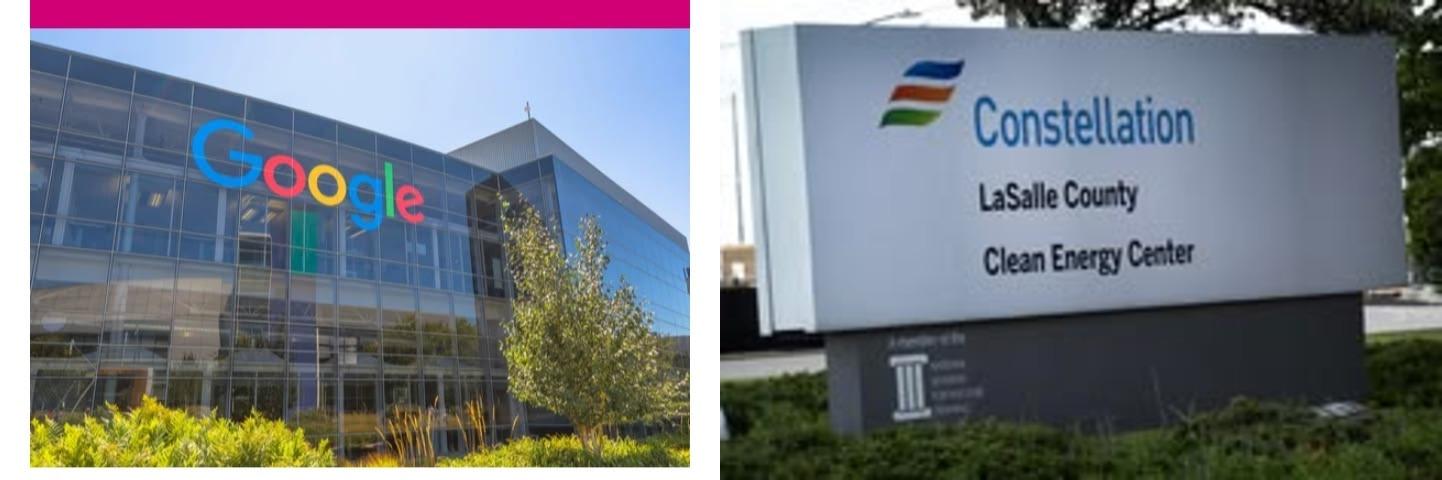
Google has signed a 20-year agreement with Constellation Energy for 890 megawatts of new nuclear capacity, part of a broader deal covering 3,590 MW of power. The agreement will help fund upgrades at 11 nuclear reactors across Illinois, Pennsylvania and New Jersey, with the first additional power expected to reach the grid in 2028.
Why does Google need that much power?
The data centres running AI models consume enormous amounts of electricity, and that demand is growing rapidly. Google's electricity use increased 37% in 2025, according to the company's latest environmental report.
Nuclear power gives Google something its AI infrastructure desperately needs: reliable electricity that does not depend on whether the sun is shining or the wind is blowing.
What does this mean for the environment?
This is where the deal gets interesting.
Nuclear power produces electricity without the direct carbon emissions associated with fossil-fuel power generation. By helping bring 890 MW of additional nuclear capacity onto the grid, Google's deal could provide more low-carbon electricity while meeting part of the growing demand created by data centres.
But there is another side to the story.
Google's AI expansion is pushing its electricity demand sharply higher. The company itself acknowledges that its AI infrastructure is growing faster than the grid is becoming cleaner.
So the environmental equation is not simply AI versus climate.
It is becoming a race to make the enormous amount of electricity needed for AI cleaner.
Google is not alone
Amazon and Microsoft are also turning to nuclear power to support their expanding data-centre operations.
That makes Google's deal bigger than a single company's energy purchase. It shows how the AI boom is changing the relationship between technology and electricity.
Tech companies once needed servers, chips and data centres to build AI.
Now they need something even more basic: Power to keep all of it running.