
Tehran's Funeral for Khamenei Becomes a Show of Defiance as Regional Tensions Refuse to Ease
Millions gathered to mourn Iran's late supreme leader, but the funeral unfolded against a backdrop of fresh Israeli strikes, stalled diplomacy, and an uncertain future for the Middle East.
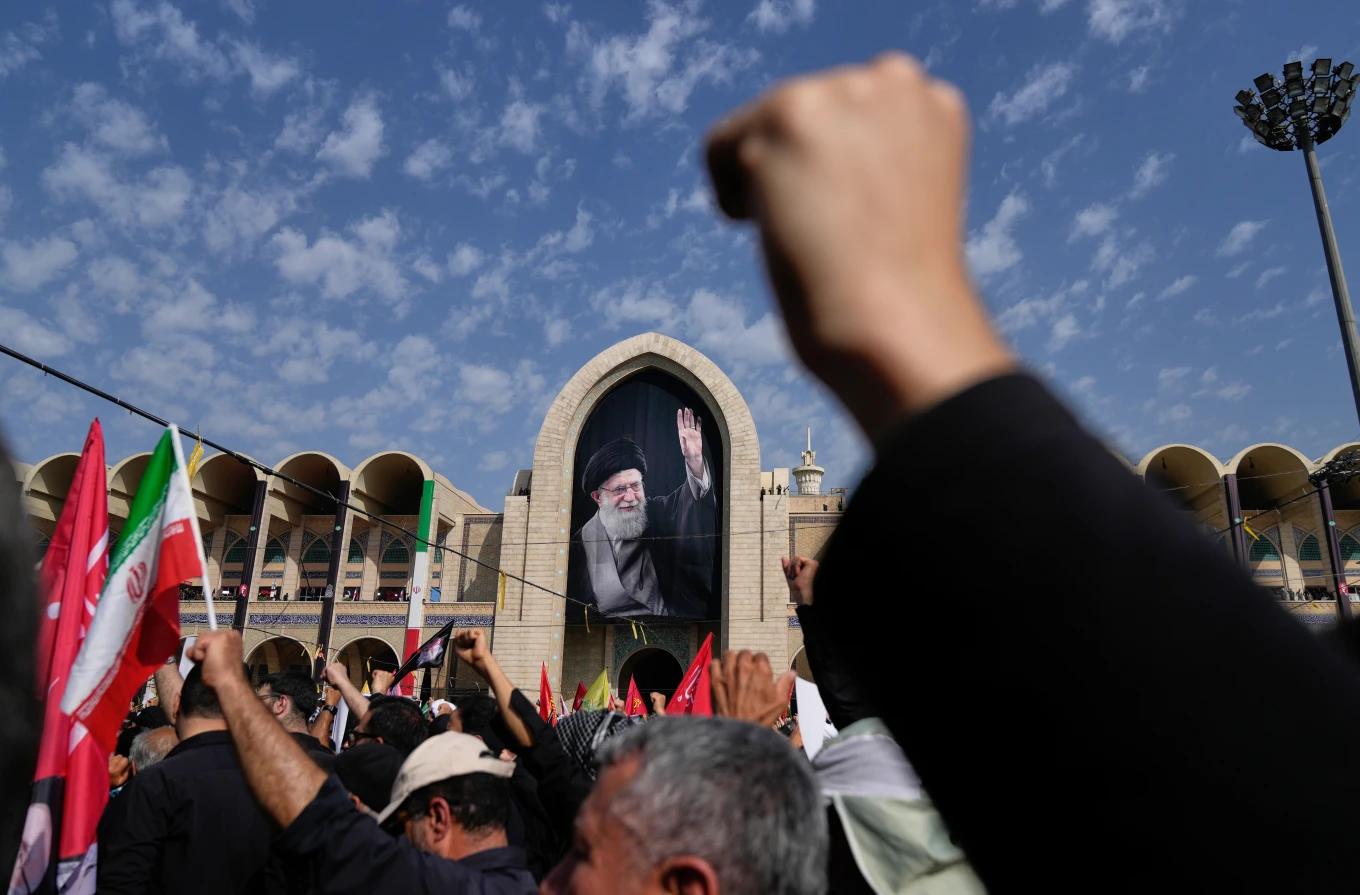
Iran's capital came to a standstill on Monday as millions of mourners filled the streets of Tehran for the funeral procession of the country's late Supreme Leader, Ayatollah Ali Khamenei. Khamenei was killed on February 28 in a joint US-Israeli airstrike on his compound, which also killed four family members and triggered a months-long war between Iran and the two countries. The ceremony was one of the largest public gatherings in Iran in recent memory, transforming the capital into both a place of mourning and a stage for political messaging. Iranian state media have drawn comparisons to the funeral of Ayatollah Ruhollah Khomeini in 1989, which drew an estimated 10 million mourners and remains one of the largest funerals in modern history.
The procession, however, was not taking place in isolation. While crowds marched through Tehran carrying Khamenei's coffin, fighting and military operations continued elsewhere in the region, underscoring how little the broader conflict has cooled despite weeks of international efforts to reduce tensions.
A funeral with national and political weight
State television broadcast aerial images showing vast crowds stretching across Tehran as mourners accompanied Khamenei's flag-draped coffin through the city. The funeral marks the beginning of several days of ceremonies before his planned burial in Mashhad later this week.
Iranian officials portrayed the turnout as a demonstration of national unity after months of war. Many mourners carried Iranian flags and portraits of Khamenei, while chants condemning the United States and Israel echoed through parts of the procession.
The war has not paused for mourning
Even as Iran focused on the funeral, military activity elsewhere continued.
Israeli forces carried out fresh strikes in Lebanon, according to regional reports, while tensions remained high across several fronts linked to the wider conflict. The renewed attacks served as a reminder that the region remains volatile despite ongoing diplomatic efforts aimed at preventing another major escalation.
At the same time, negotiations involving Iran and the United States remain on hold during the mourning period, leaving major disputes unresolved.
Questions remain over Iran's leadership
One of the most closely watched aspects of the funeral was not who attended, but who did not.
Iran's current Supreme Leader, Mojtaba Khamenei, was absent from the public procession. His absence has fueled speculation about security concerns and his public role during one of the most significant moments since succeeding his father earlier this year. Iranian authorities have not publicly indicated when he will next appear.
Other senior political, military and religious figures attended the ceremony, alongside foreign delegations visiting Tehran for the funeral.
More than a farewell
State funerals often look backward, celebrating the legacy of a leader. This one also looked forward.
For Iran's leadership, the funeral offered an opportunity to project stability after months of conflict. For much of the outside world, it highlighted how fragile the region remains. Massive crowds in Tehran contrasted sharply with continued military operations beyond Iran's borders and the uncertain future of diplomatic efforts.
That contrast may become the lasting image of the day. Even as millions gathered to say goodbye to one of Iran's most influential leaders, the conflict that reshaped the country and the region showed few signs of ending.
Read our editorial standards and corrections policy.