
Truce Crumbles as US Hits Iran Again Over Hormuz Attacks
The United States has launched a fresh wave of strikes on Iran, hitting more than 80 targets in one of the most serious tests yet of the fragile ceasefire between the two countries.
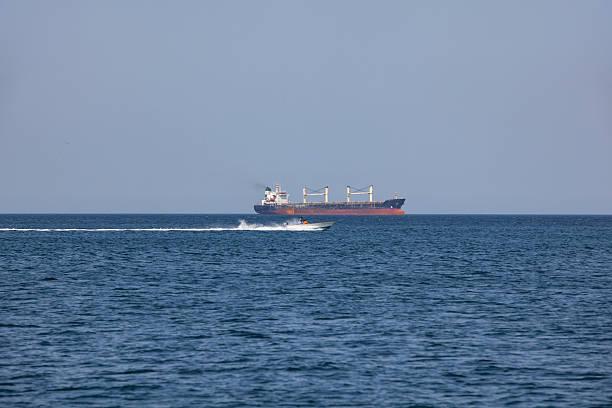
US Central Command said the strikes were carried out in response to Iranian attacks on three commercial vessels transiting the Strait of Hormuz, one of the world's busiest oil shipping routes. CENTCOM said the operation targeted Iranian air defense systems, command and control networks, coastal radar sites, and anti-ship missile capabilities, along with more than 60 small boats belonging to the Islamic Revolutionary Guard Corps.
In a statement, the US described Iran's actions as "unwarranted, dangerous, and a clear violation of the ceasefire."
Sanctions reimposed alongside the strikes
The US Treasury Department also reimposed sanctions on Iranian oil sales that had been lifted for 60 days as part of the ceasefire agreement. A Treasury notice said the earlier sanctions relief had been revoked in full, and gave buyers of Iranian oil until July 17 to wind down any deals already in progress.
The move reverses one of the main concessions Washington had offered Tehran in exchange for reopening the Strait of Hormuz, and marks a sharp shift after nearly five decades of steady US sanctions policy on Iran.
A US official said Iran would "only reap benefits if they exhibit good behavior," adding that its actions in the strait would be met with consequences.
Iran threatens a "crushing response"
Iran's top military command, Khatam al-Anbiya Central Headquarters, warned early Wednesday that it would deliver a "crushing response" to the US strikes. State broadcaster IRIB quoted the command saying Iran would not allow interference in the management of the Strait of Hormuz, and that the only safe passage for ships would be through routes Iran itself designates.
Iran has not officially claimed responsibility for the attacks on the three vessels, though the strikes triggered the sharpest escalation since the ceasefire took hold.
Oil markets react, allies push for calm
Brent crude rose 3 percent to $76 a barrel following news of the strikes and the reimposed sanctions, though prices remain close to pre-war levels.
Regional allies are reportedly reaching out to both Washington and Tehran in an effort to prevent further escalation and keep the ceasefire from collapsing entirely.
A truce that has struggled to hold
The ceasefire itself followed a war that lasted more than five weeks earlier this year, ending in an April truce that came under repeated strain over disputes involving Lebanon, a US naval blockade, and repeated closures of the Strait of Hormuz. A memorandum of understanding meant to formally end the conflict was signed by President Trump and Iranian President Masoud Pezeshkian on June 17 in Versailles.
This week's exchange is the first major test of that memorandum, and it remains unclear whether either side is willing to step back before the situation escalates further.
Read our editorial standards and corrections policy.