The Trump-Iran Strike Agreement: A New Chapter in Middle East Diplomacy?
In a surprising geopolitical shift, Donald Trump has secured a strike-reduction agreement with Iranian leadership. We analyze the details of this deal, its potential impact on regional security, and the reaction from global capitals.
A Diplomatic Pivot
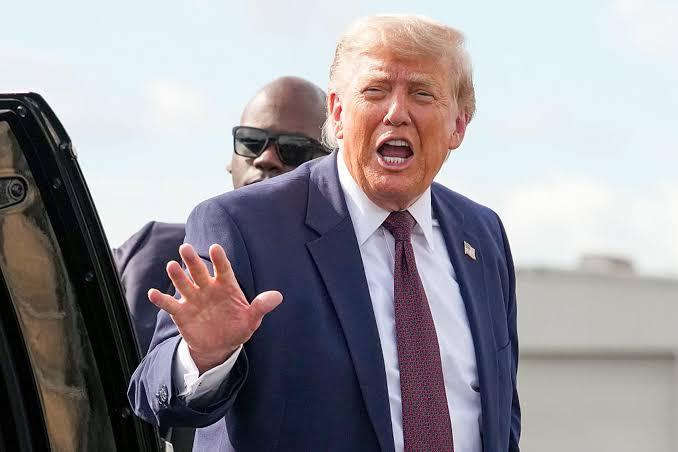
In an unexpected turn of events for the mid-2026 political landscape, former President Donald Trump has brokered a strike agreement with Iranian leadership. The development has sent shockwaves through international diplomatic circles, marking a significant departure from the escalatory rhetoric that has defined US-Iran relations for much of the past decade.
The agreement, described by insiders as a "coordinated de-escalation framework," aims to mitigate the risk of direct kinetic military engagement between the two nations.
Understanding the "Strike Agreement"
While the full text of the agreement has not been made public, reports indicate that the deal is built on a "pause-and-verify" mechanism. The core components of the arrangement include:
Temporary Stasis: Both parties have committed to a temporary suspension of offensive cross-border military strikes.
Red-Line Communication: The creation of a dedicated "de-confliction channel" designed to address urgent incidents before they result in military action.
Mutual Monitoring: Informal transparency measures, aimed at providing both sides with assurances that the other is not preparing for immediate offensive maneuvers.
Geopolitical Implications
This agreement represents a complex shift in the Middle East. For years, the region has been a theater of proxy conflicts and heightened tensions. By brokering a bilateral strike agreement, the focus shifts toward a strategy of containment rather than confrontation.
The Regional Perspective: Regional allies have responded with a mix of caution and strategic realignment. For some, the prospect of a US-Iran de-escalation is a welcome relief for local markets. For others, particularly those invested in a policy of maximum pressure, the agreement is viewed as a sign that the status quo is changing, prompting internal reviews of their own long-term security commitments.
The Domestic Debate: In Washington, the reaction has been characteristically divided along partisan lines. Supporters view the agreement as a pragmatic victory that avoids the high costs and risks of military conflict. Critics, however, argue that such agreements may provide leverage to Iranian leadership without securing long-term changes to regional security objectives or nuclear non-proliferation goals.
The Path Forward
The success of this strike agreement will ultimately depend on its durability. Historically, agreements between Washington and Tehran have been fragile, susceptible to shifts in internal politics and regional incidents.
Whether this agreement serves as a foundation for a broader diplomatic reset, or simply a tactical pause in a longer-term confrontation, remains the central question for foreign policy observers. As 2026 progresses, the world will be watching to see if this de-escalation channel holds or if the geopolitical pressures of the region prove too great to contain.
Read our editorial standards and corrections policy.