
Burnham Says Sorry for Labour's Gaza Failures on the Verge of Becoming PM
Andy Burnham is about to become Britain's next prime minister. Before he takes office, he has apologised for Labour's handling of the war in Gaza.
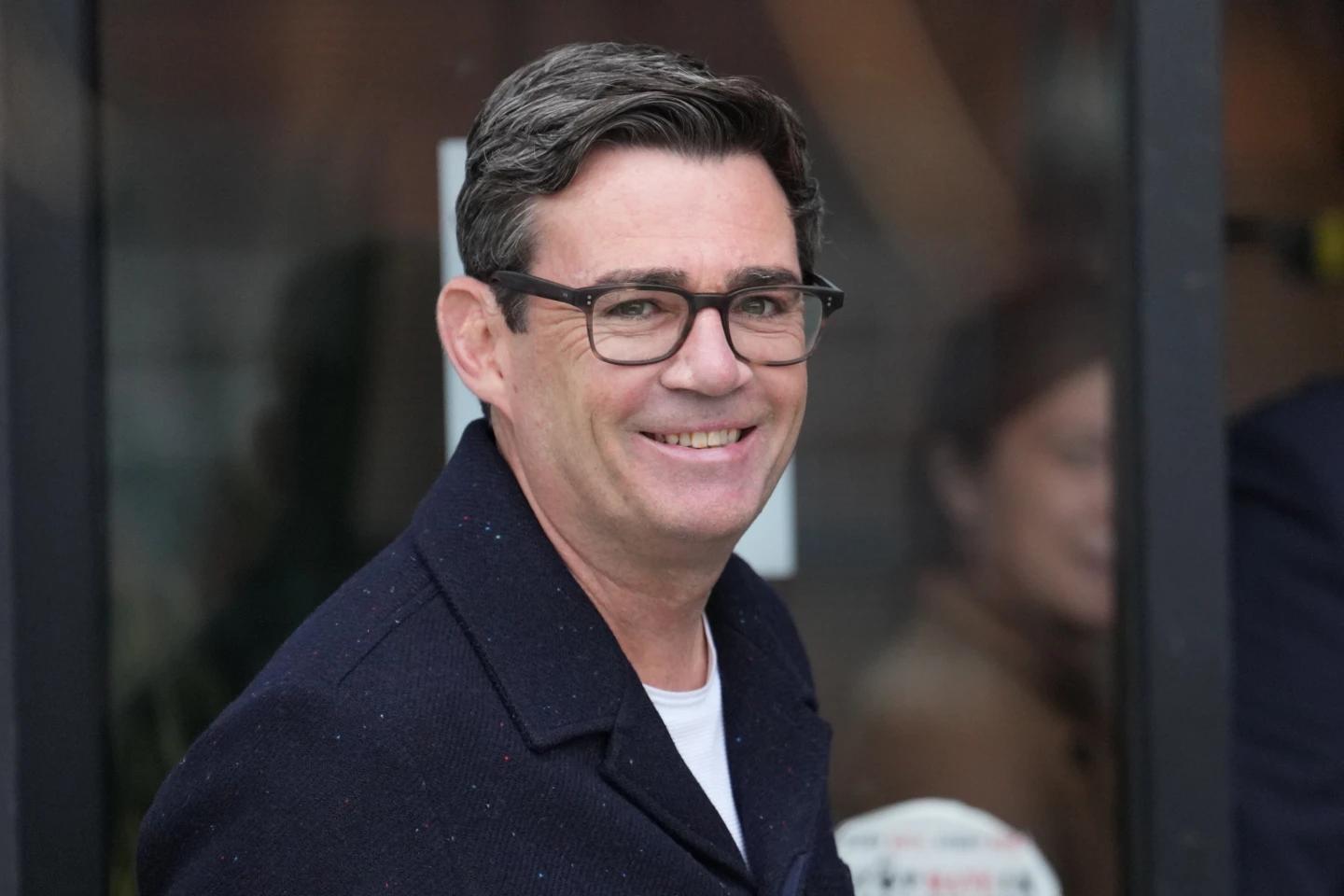
In a video posted on X, Burnham said Labour "didn't get it right" in its early response to the conflict. He said the party should have acted differently. He promised a tougher stance on Israel once he is in government.
A formality now, not a fight
Burnham's path to Downing Street is settled. He won 322 nominations from Labour MPs on the first day of the leadership contest. That left him one vote short of the threshold that makes it mathematically impossible for any rival to qualify for the ballot. His last potential challenger, Armed Forces Minister Al Carns, pulled out days earlier.
Labour will confirm Burnham as leader at a special conference on July 17. He takes over as prime minister on July 20.
He chose to raise Gaza now, rather than wait until he is in office.
"Many people feel that at the start of Israel's military operation in Gaza, my party didn't get it right, and I am sorry about that," he said.
What he's promising
Burnham pointed to steps Labour had already taken: recognising a Palestinian state, sanctioning some Israeli ministers, and restricting arms exports. He said his government would go further. That includes new sanctions on people involved in violence in Gaza and a ban on trade in goods from illegal Israeli settlements.
"The UK was too slow to call for a ceasefire, and we must now do more to strengthen our approach," he said.
He stopped short of calling Israel's actions a genocide. He said there was "increasing evidence that war crimes appear to have been committed," but said that judgment belongs to international courts, not politicians. He also condemned Hamas's October 7, 2023 attack and said he would keep tackling antisemitism in Britain.
A US-brokered ceasefire between Israel and Hamas has held since October. But more than 1,000 people in Gaza have been killed since then, according to the Palestinian Health Ministry. Burnham cited ongoing settler violence and settlement expansion in the West Bank as reasons for going further now.
Why it matters
Gaza became more than a foreign policy issue for many Labour supporters. Starmer's early comments defending Israel's right to cut off power and water to Gaza triggered backlash from Muslim communities, younger voters, and parts of Labour's progressive base. Some councillors and members resigned. Others switched their support to independents or the Green Party. The issue is widely seen as a factor in Labour's poor showing in May's local elections, which set off the leadership crisis that ended Starmer's time in office.
Green Party deputy leader Mothin Ali dismissed Burnham's comments, accusing him of hiding behind international courts instead of admitting the government already knows war crimes are happening. Foreign Secretary Yvette Cooper took a different line, saying the government was already looking at going further on sanctions and trade, which suggests Burnham's remarks reflect discussions already underway rather than a break from government policy.
Whether an apology wins back voters who left Labour over Gaza is still an open question.
A bigger balancing act
Burnham has also laid out other priorities for his government: rebuilding Britain's defence capabilities, strengthening domestic industry, and continuing support for NATO and Ukraine. He will need to balance those commitments with his promise of a tougher line on Gaza.
His apology may end up defining the start of his premiership before it has officially begun. It tests whether admitting past mistakes can help unite a party still carrying the political scars of Gaza.
Read our editorial standards and corrections policy.