
US Supreme Court Rejects Trump's Bid to Set Aside 20,000 California Ballots
The decision is a setback for the administration's effort to challenge voter registrations ahead of the midterm elections, after California argued that the federal list could wrongly identify eligible citizens.
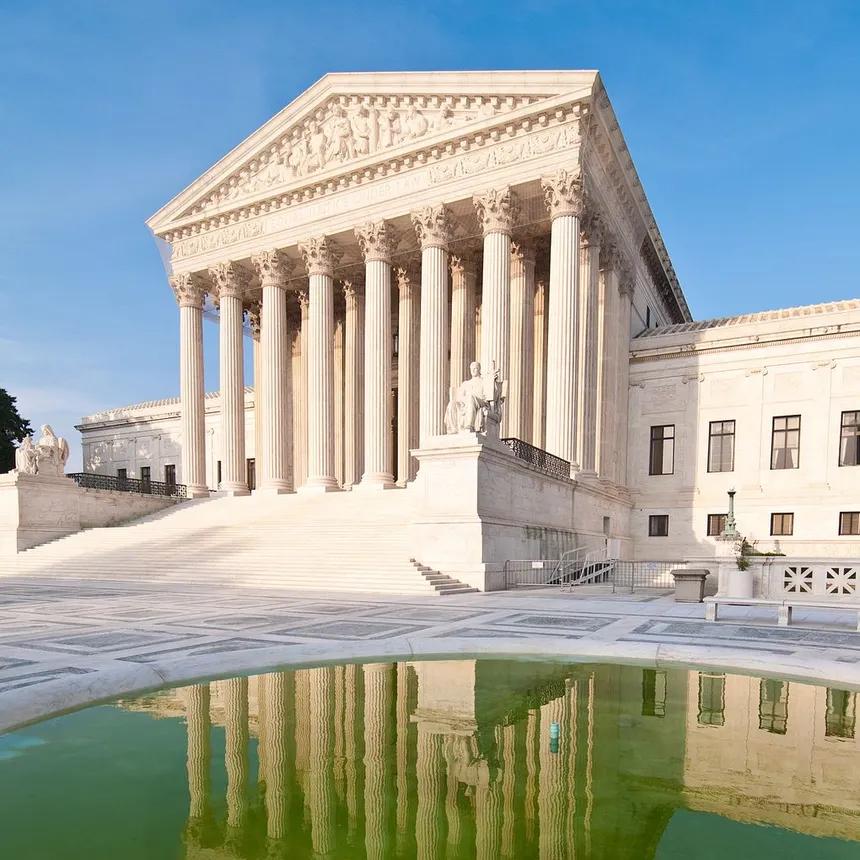
The United States Supreme Court has rejected the Trump administration's emergency request to make California set aside more than 20,000 ballots from people federal officials suspect may not be American citizens.
The decision, delivered on November 2, came hours before the final day of voting in the 2026 US midterm elections. It represents another legal setback for President Donald Trump's administration in its efforts to challenge voter registrations and influence how states manage their elections.
The case centred on a list of approximately 20,000 people whom the federal government identified as likely noncitizens registered to vote in California. The administration wanted election officials to separate ballots submitted by these individuals until their citizenship could be verified.
The Supreme Court rejected the request without publicly explaining its reasoning. No justice publicly dissented.
Why the Trump administration challenged the ballots
The dispute began in October when the Department of Justice identified more than 20,000 people it believed were noncitizens on California's voter rolls.
The federal government argued that some individuals who were not eligible to vote had been registered and sent mail-in ballots ahead of the midterm elections.
It subsequently asked California election officials to review the list and set aside ballots from the affected individuals until their citizenship status could be confirmed.
The administration maintained that it was not asking the state to cancel the ballots outright, but to temporarily separate them so that votes cast by eligible citizens could still be counted.
California officials rejected the request, questioning the reliability of the federal government's information and arguing that the process could wrongly affect eligible voters.
The state also maintained that the request came too late, as ballots had already been distributed and voting was underway.
Why California opposed the request
California officials argued that the federal government's list contained significant errors and could include people who were legally entitled to vote.
The concerns were not limited to the state government. During a court hearing, a Justice Department lawyer acknowledged that the data used to identify the suspected noncitizens had a high error rate.
The lawyer argued that the department needed the assistance of local election officials to verify the individuals' citizenship.
However, California maintained that separating the ballots at such a late stage would create serious logistical problems and could prevent eligible voters from having their votes counted.
The state had already mailed ballots to approximately 23 million registered voters, with more than six million returned by the time the Supreme Court considered the dispute.
A federal district judge had earlier warned that setting aside the ballots could disrupt the election process and undermine public confidence in the results. The Ninth Circuit Court of Appeals subsequently upheld the decision against the administration in a 2-1 ruling.
What the Supreme Court's decision means
The Supreme Court's refusal to intervene means California is not required to set aside the disputed ballots under the emergency request before it.
However, the decision did not establish that noncitizens are eligible to vote in federal elections, nor did it resolve every legal question surrounding the administration's efforts to examine voter registrations.
The court also did not publish a detailed explanation for rejecting the request.
The decision followed several other legal setbacks for the administration's efforts to intervene in state election procedures.
In a separate case on November 2, a federal judge ruled that the administration's last-minute demands of California election officials likely violated the Constitution's Elections Clause, which gives Congress and state governments authority over federal election rules.
How common is noncitizen voting in the United States?
Voting by noncitizens in federal elections is illegal under US law, although some local jurisdictions allow noncitizens to vote in certain municipal elections.
However, noncitizen voting in US elections is considered rare.
The Trump administration has made identifying and removing suspected noncitizens from voter rolls a major part of its election integrity efforts. Its position is that election officials must ensure that only eligible citizens participate in federal elections.
Critics, including voting-rights organisations, argue that aggressive voter registration checks can wrongly flag naturalised citizens and other eligible voters, potentially preventing them from exercising their rights.
The California dispute highlights the difficulty of balancing election security with the need to protect eligible voters from being wrongly excluded.
A wider debate over federal and state election powers
The case has also renewed debate over how much authority the federal government should have over elections administered by individual states.
Under the US Constitution, states have primary responsibility for conducting elections, while Congress has powers to regulate aspects of federal elections. The extent of presidential and executive branch authority in this area remains contested.
The Trump administration has argued that federal authorities have a responsibility to enforce election laws and prevent ineligible people from voting.
California and other opponents of its approach have argued that federal intervention must respect constitutional limits and established election procedures.
With the midterm elections reaching their final day, the Supreme Court's decision represents a significant development in the wider dispute over voter eligibility, election administration and the balance of power between Washington and state governments.
Read our editorial standards and corrections policy.