A Deal Over the Strait of Hormuz Could Ease Global Tensions. The Hard Part Comes Next
Iran says an agreement with Oman is close, while the United States signals a breakthrough. After months of uncertainty, the world is watching to see whether promises finally turn into lasting action.
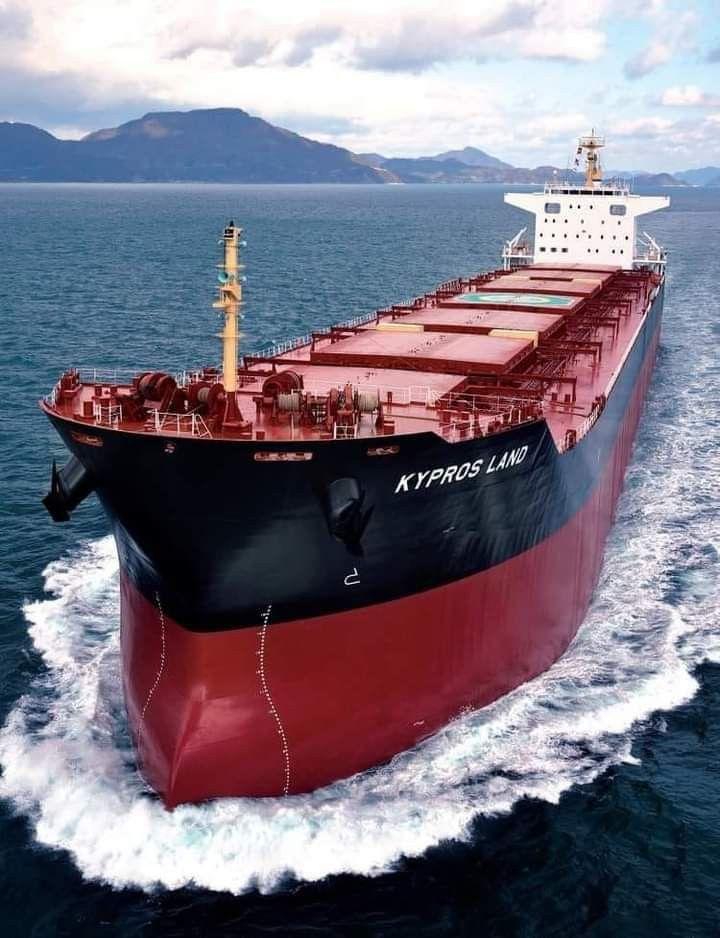
One of the world's most important waterways may soon become the focus of a rare diplomatic success.
Iran says it is in the final stages of reaching an agreement with Oman over the Strait of Hormuz, raising hopes that commercial shipping could return to normal after months of disruption. US President Donald Trump has also signalled that a breakthrough is close, although key details have yet to be made public.
For countries that rely on oil passing through the Gulf, the news has been welcomed with cautious optimism. But after several rounds of talks and previous setbacks, few are ready to celebrate just yet.
Why this stretch of water matters so much
The Strait of Hormuz is one of the busiest shipping routes in the world. A significant share of global oil exports passes through the narrow waterway, making it vital not just for the Middle East but for economies around the globe. Any disruption there can quickly affect energy markets and push fuel prices higher.
That is why negotiations involving Iran, Oman and the United States have attracted so much international attention. A stable shipping route could reduce pressure on global trade and reassure markets that have spent months reacting to conflict in the region.
Oman has become the bridge
Oman has once again found itself playing the role of mediator.
Rather than taking sides, the Gulf nation has worked to keep communication open between Iran and the United States. According to Iranian officials, discussions have reached their final stage, although Tehran has warned that outside interference could still delay an agreement.
Trump has echoed that optimism, suggesting an announcement could come within days if negotiations continue to move in the right direction.
Markets are hopeful, but still nervous
Financial markets have reacted carefully instead of enthusiastically.
Oil prices have remained sensitive to every update because investors know that reaching an agreement is only part of the challenge. The real test will be whether ships can move safely through the Strait without new political or military tensions disrupting traffic again.
That caution reflects recent history. Previous understandings between the parties have struggled to hold, leaving traders and shipping companies reluctant to assume the latest breakthrough will automatically bring long-term stability.
The agreement will be judged by actions, not headlines
Diplomatic announcements often create excitement. What matters more is what follows.
If the deal is finalised, shipping companies will look for practical signs that conditions have genuinely improved. More vessels using the route, lower insurance costs and fewer security concerns will carry more weight than political statements alone.
For now, there is genuine reason for optimism. After months of uncertainty, all sides appear closer to an agreement than they have been in some time.
Whether this becomes a lasting turning point or another temporary pause in a long-running crisis will depend on what happens after the signatures are in place. That is the moment the world is waiting for.